name

680 Poplar Ave

  • Boulder, CO
  • $1,097,500
$1,097,500

680 Poplar Ave

3 Beds 3 Baths 2,043 Sq.Ft. 2,613.6 Sq.Ft.

Description

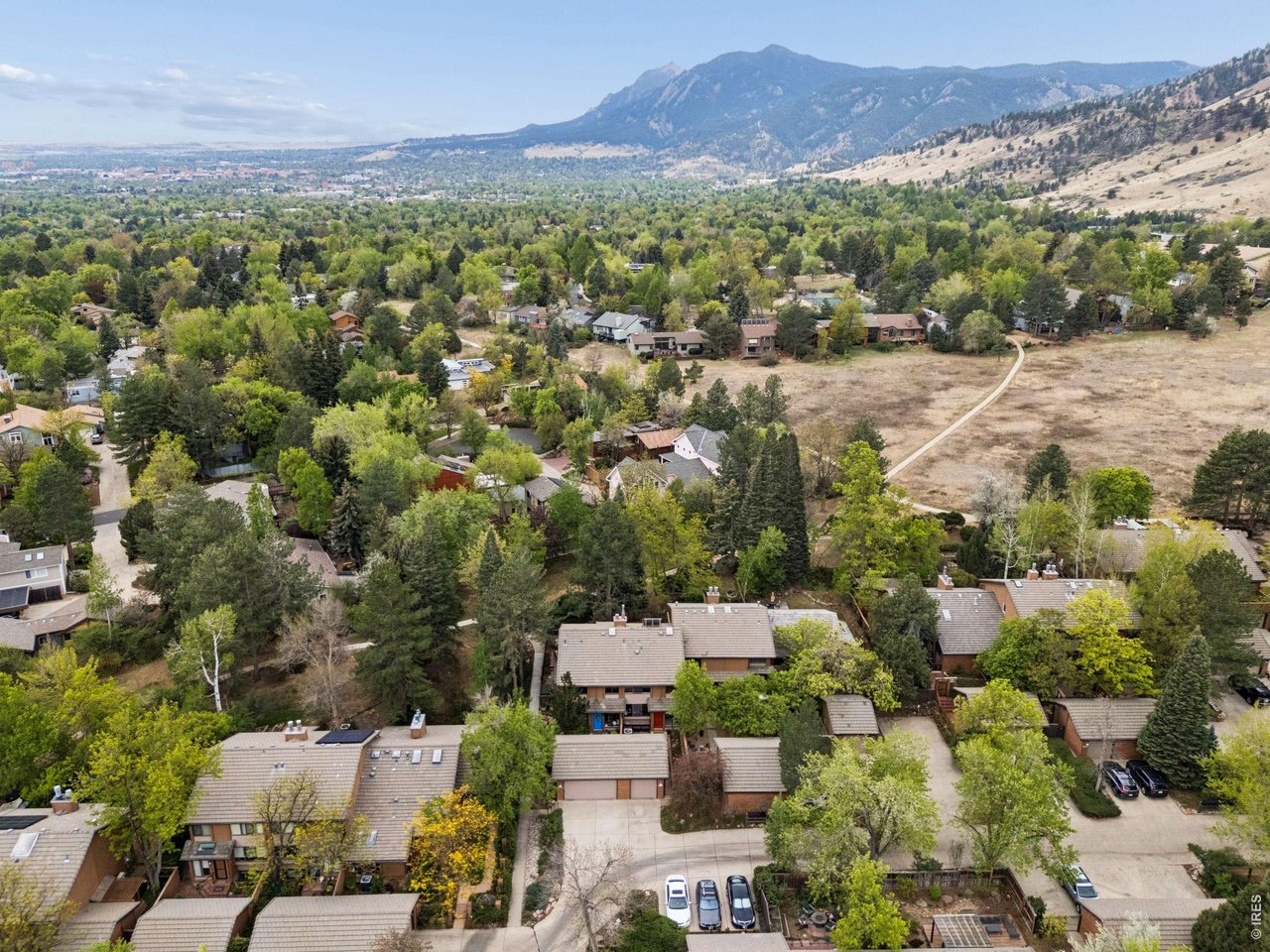
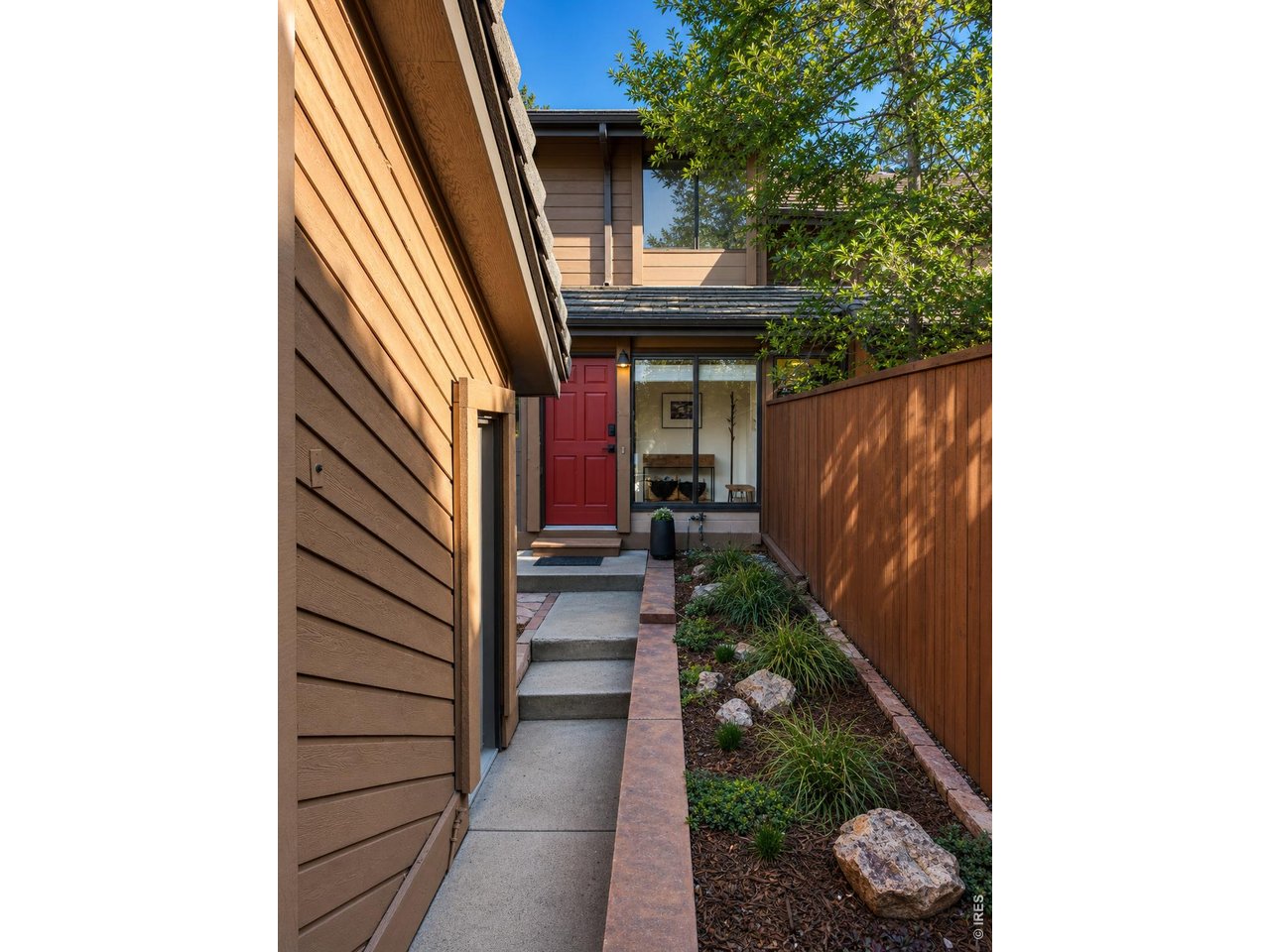
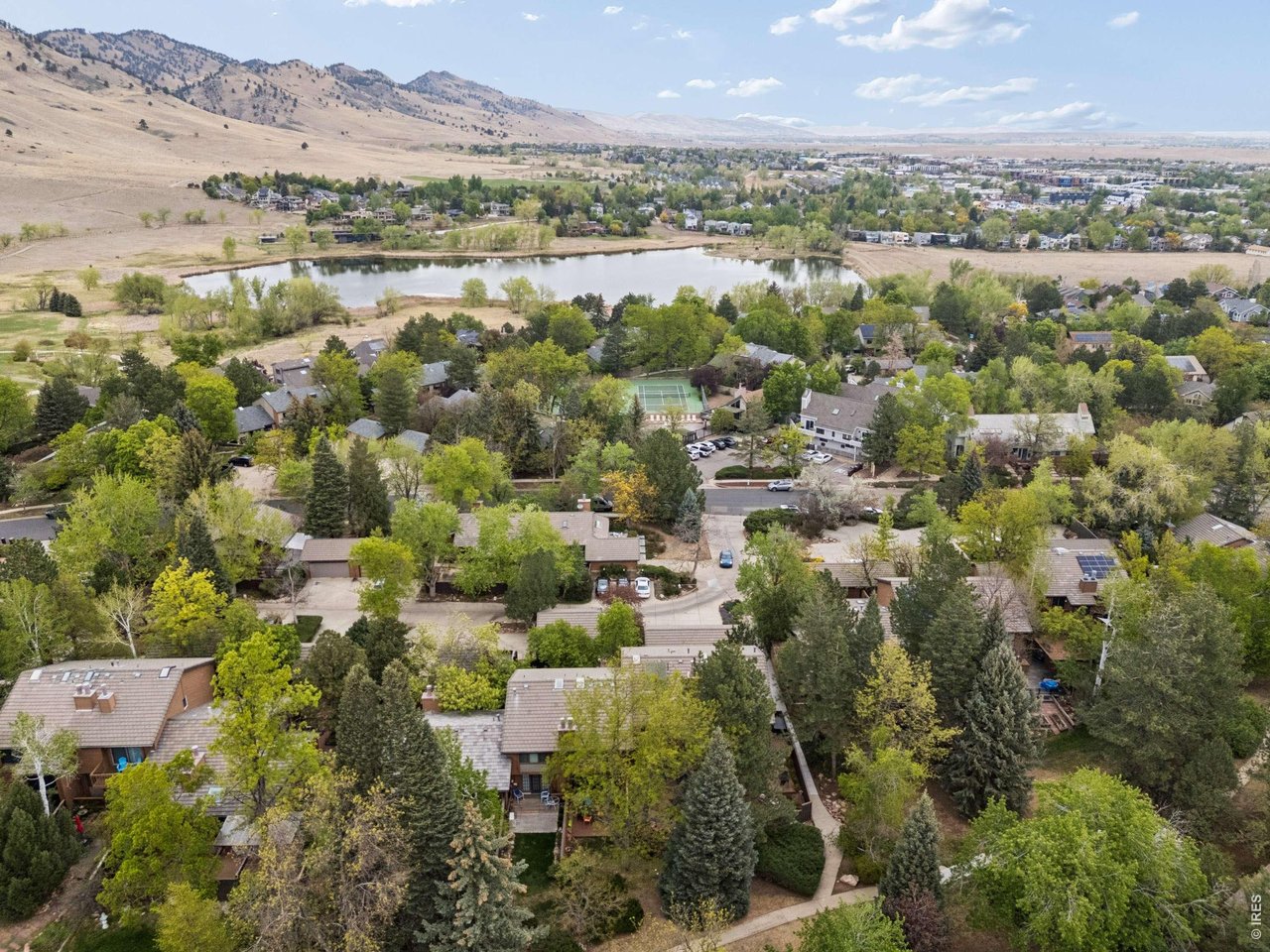
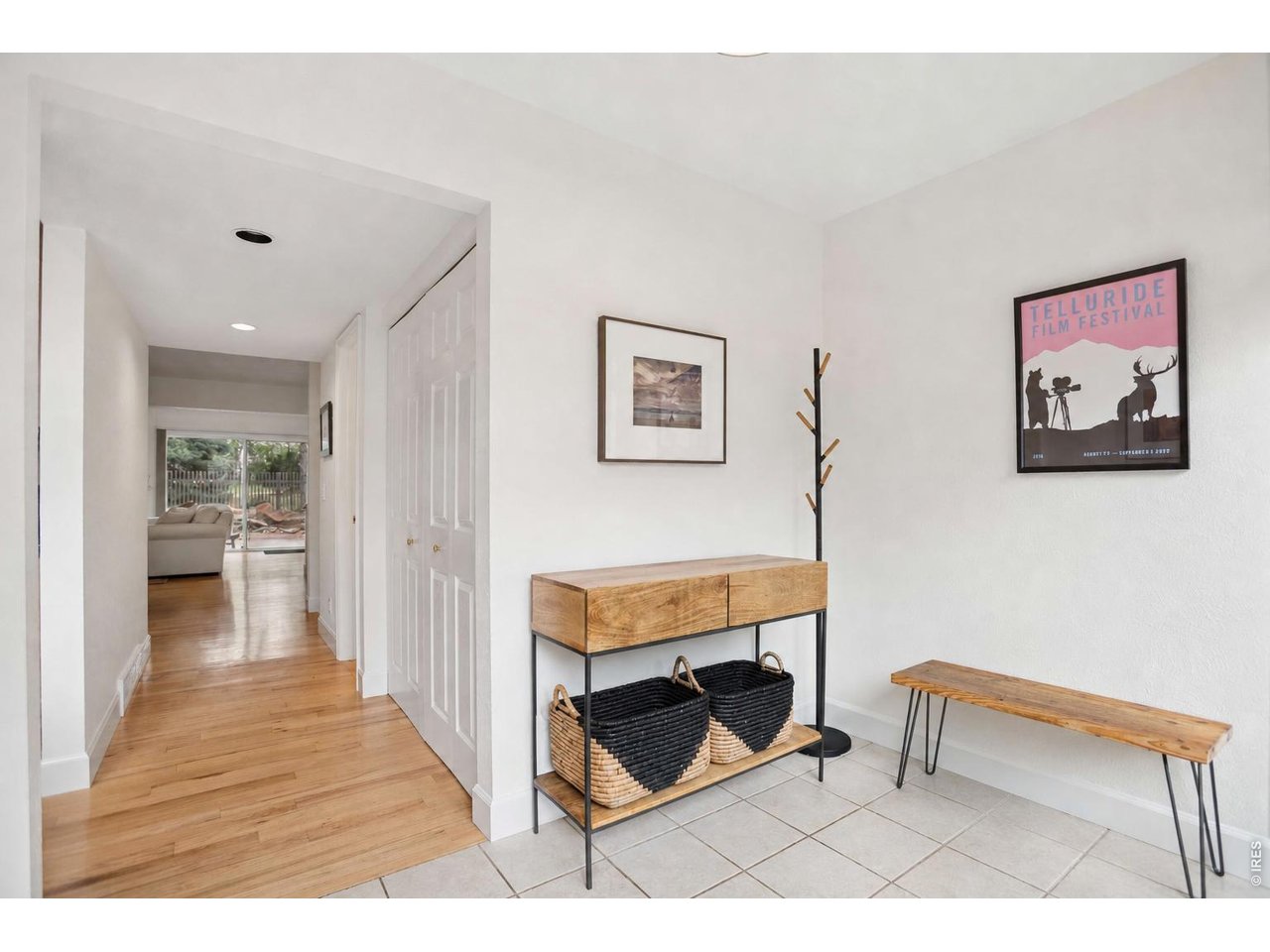
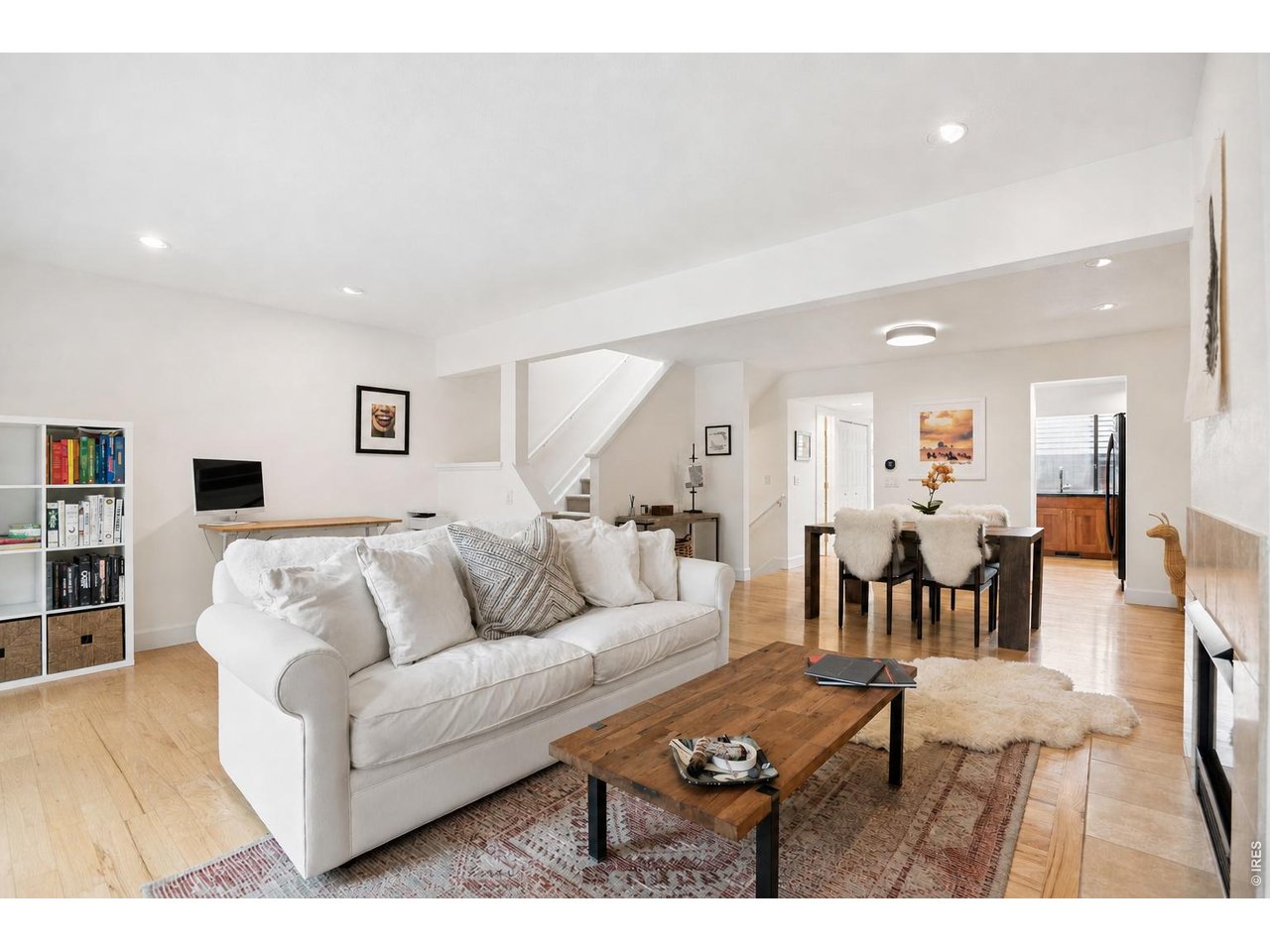
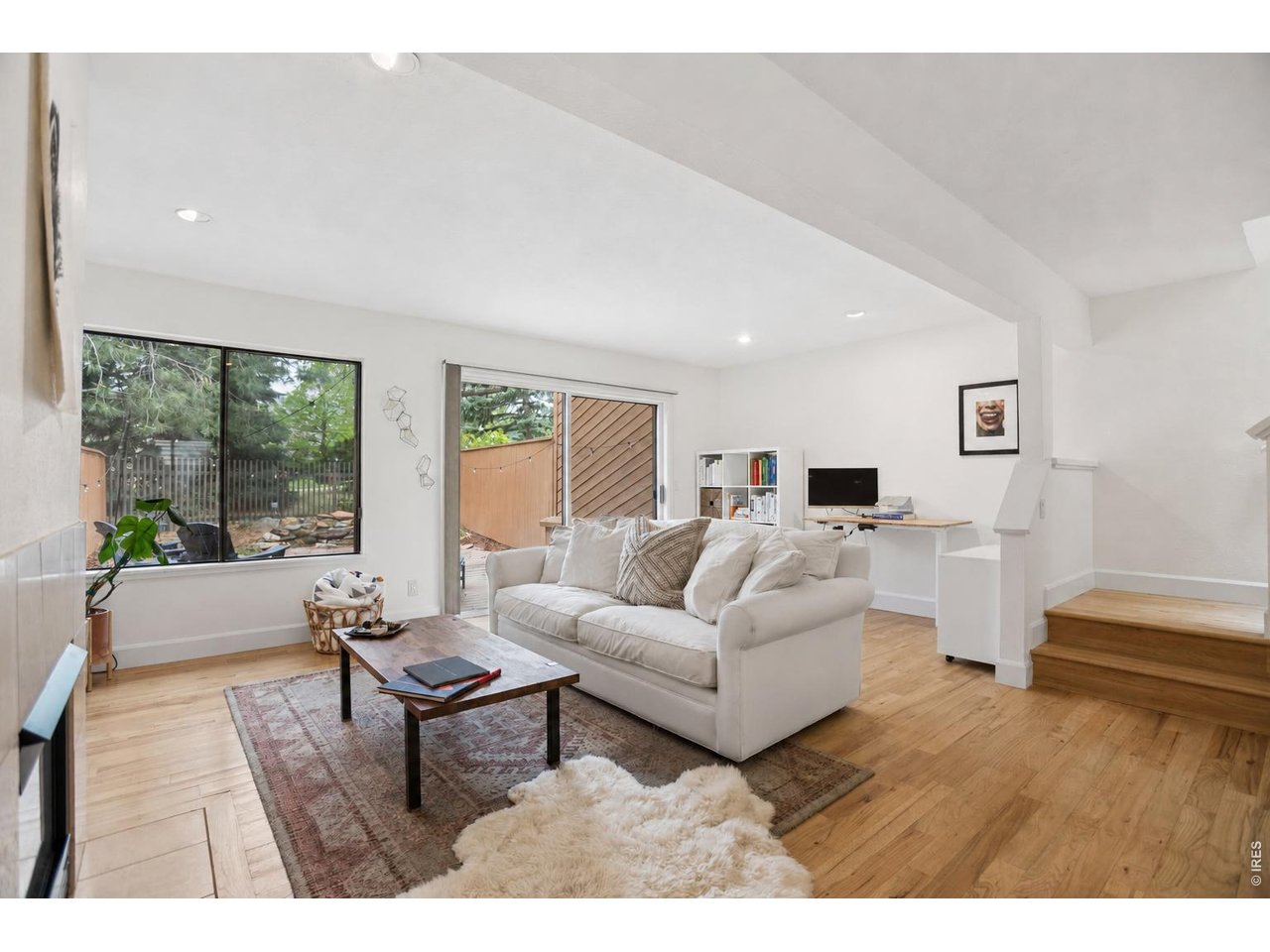
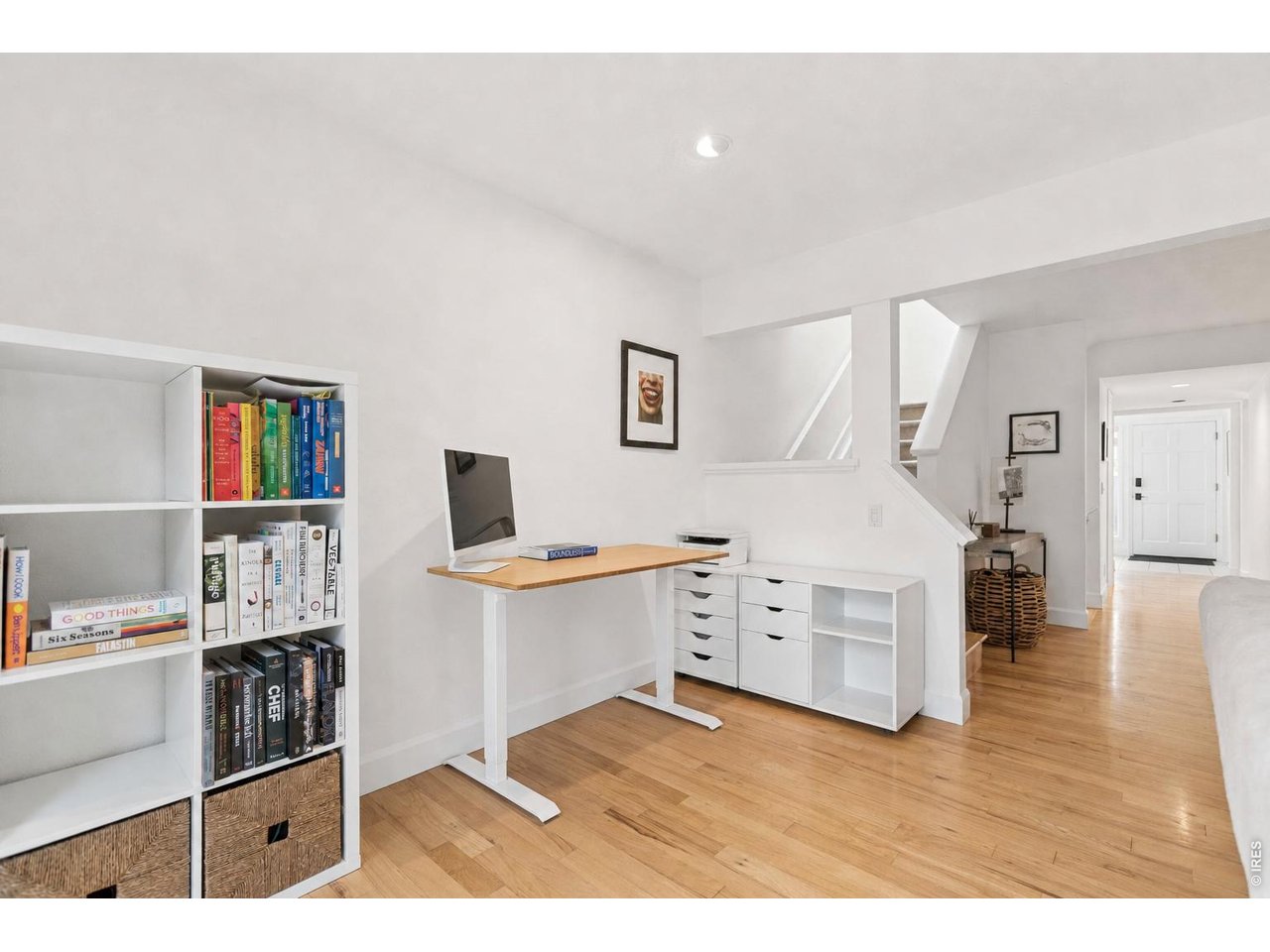
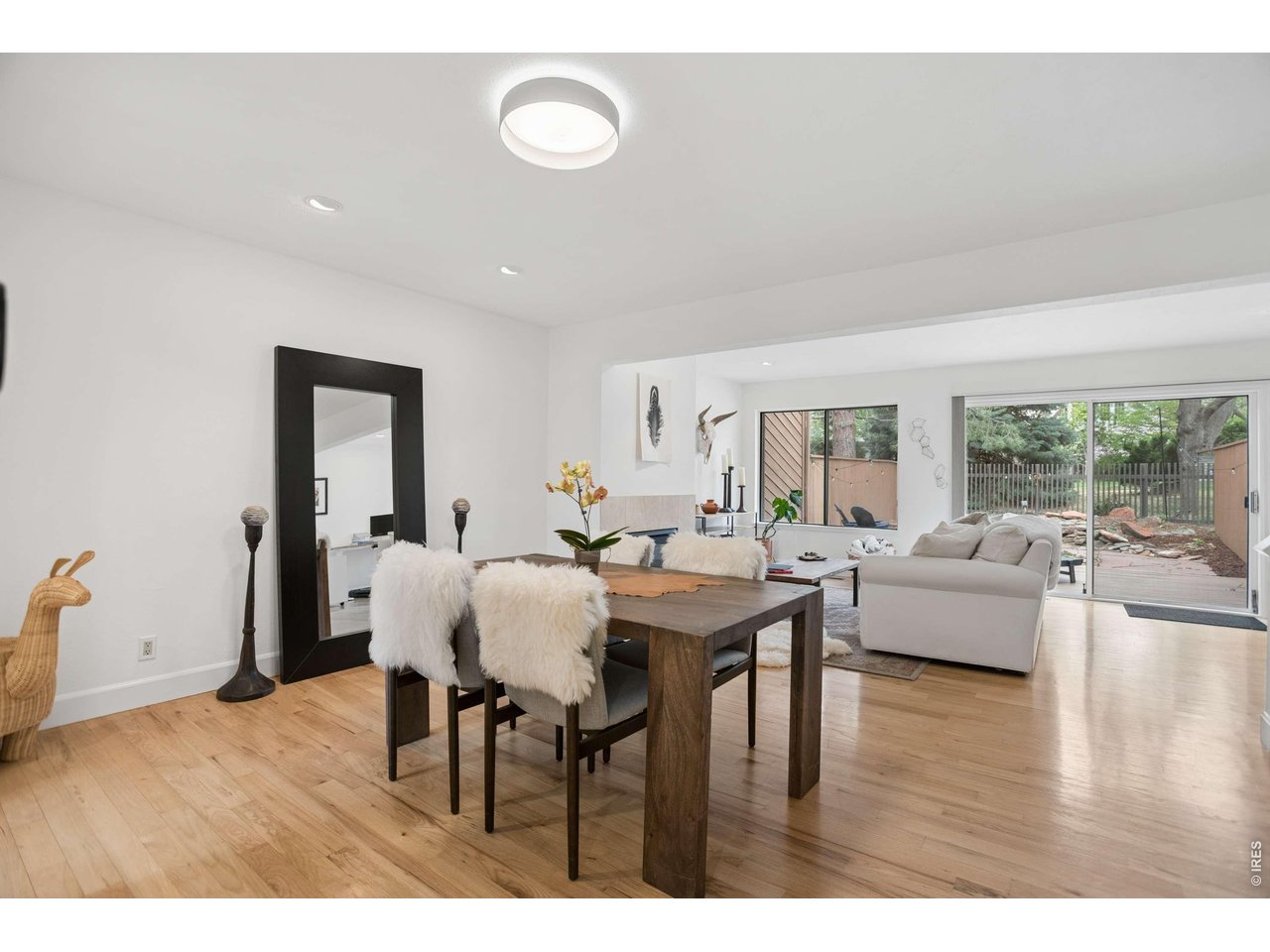
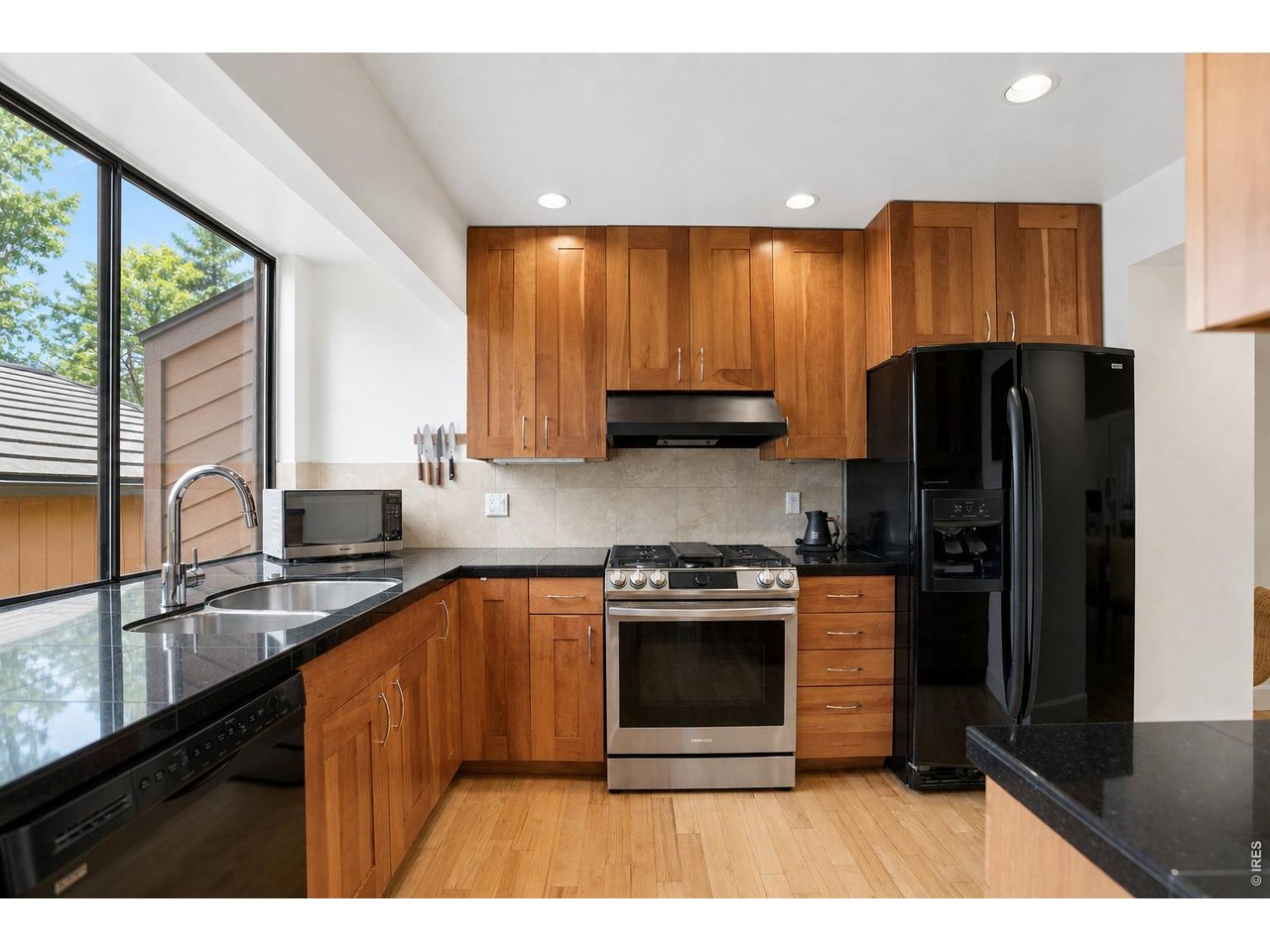
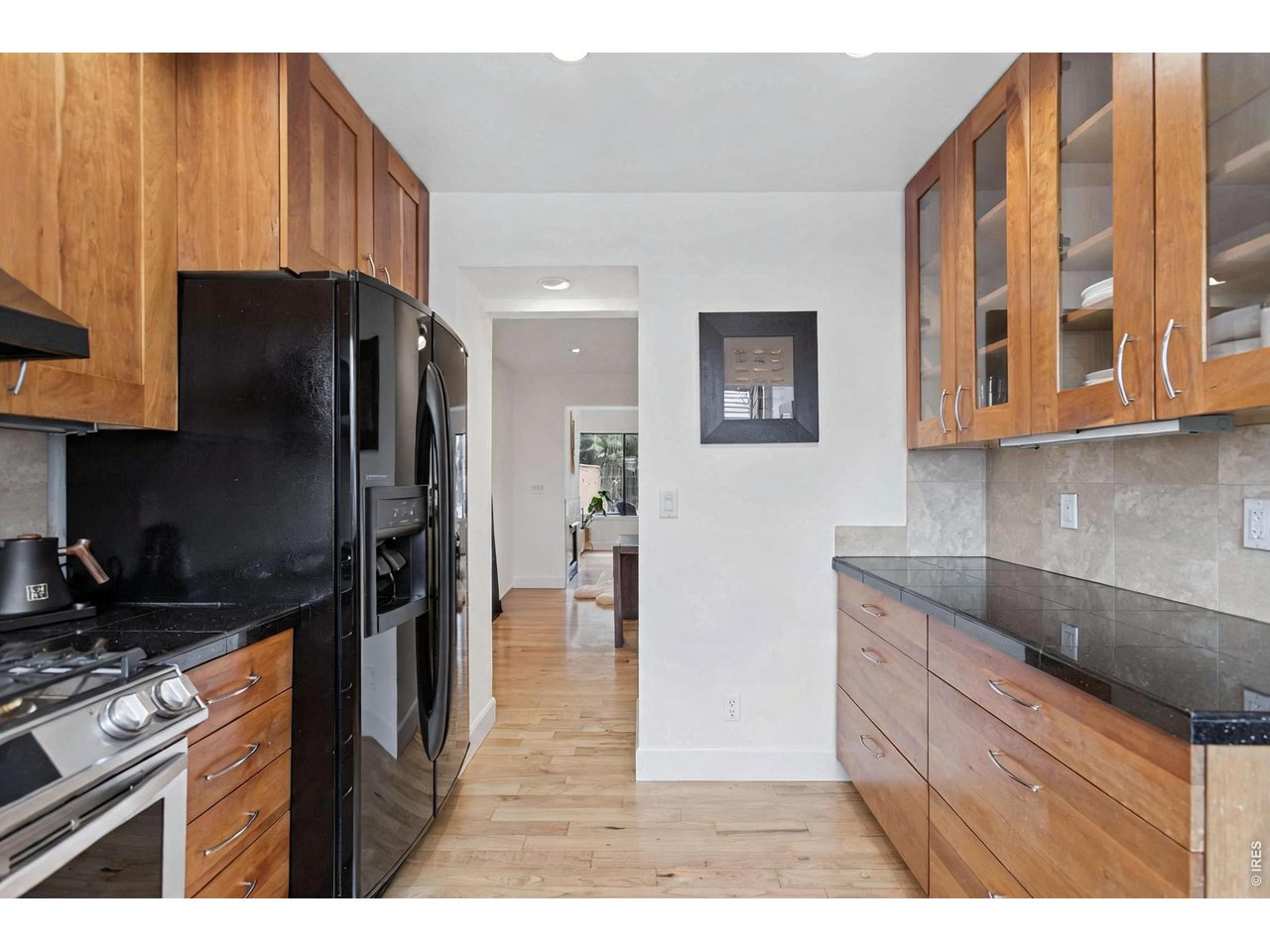
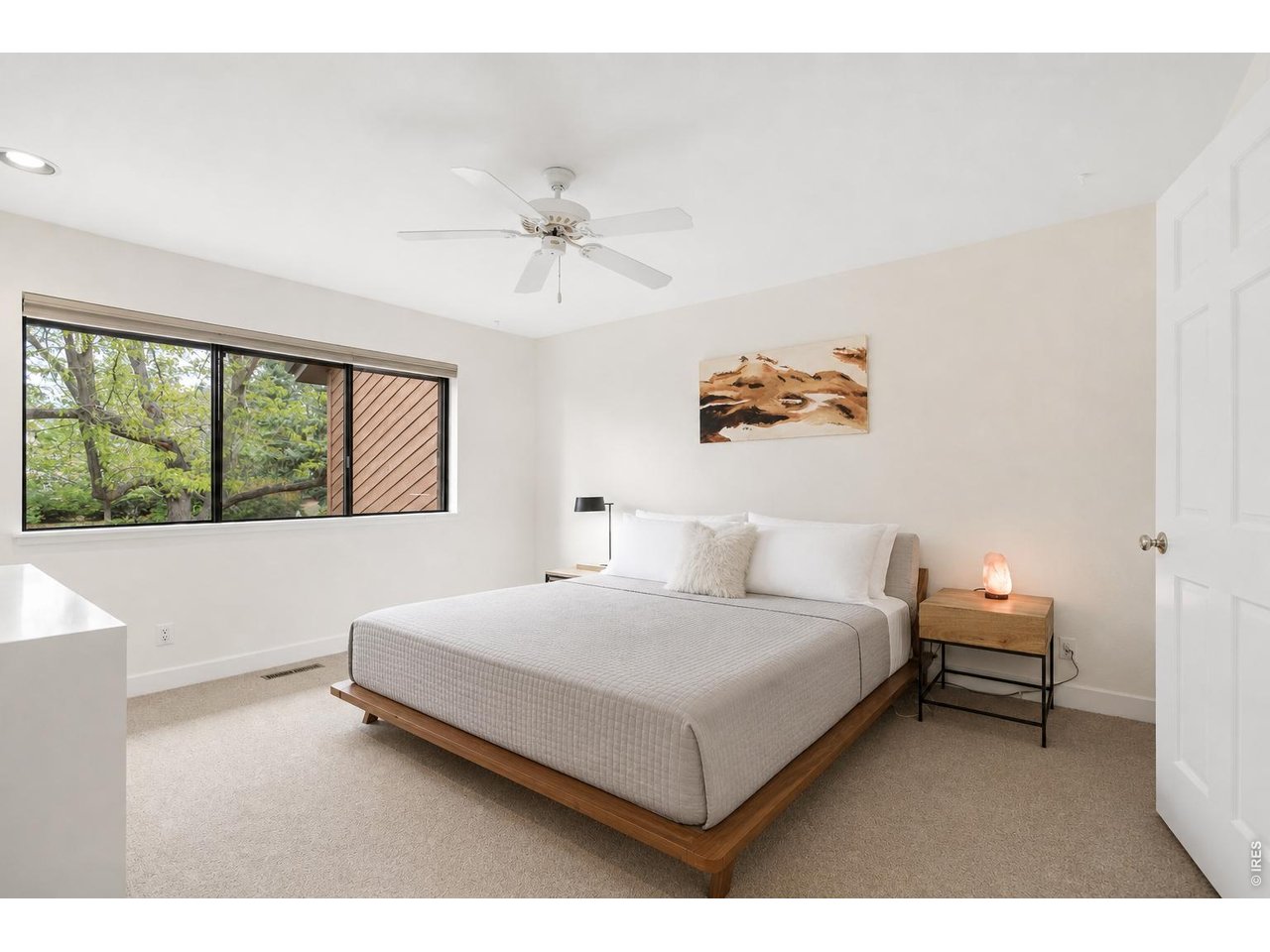
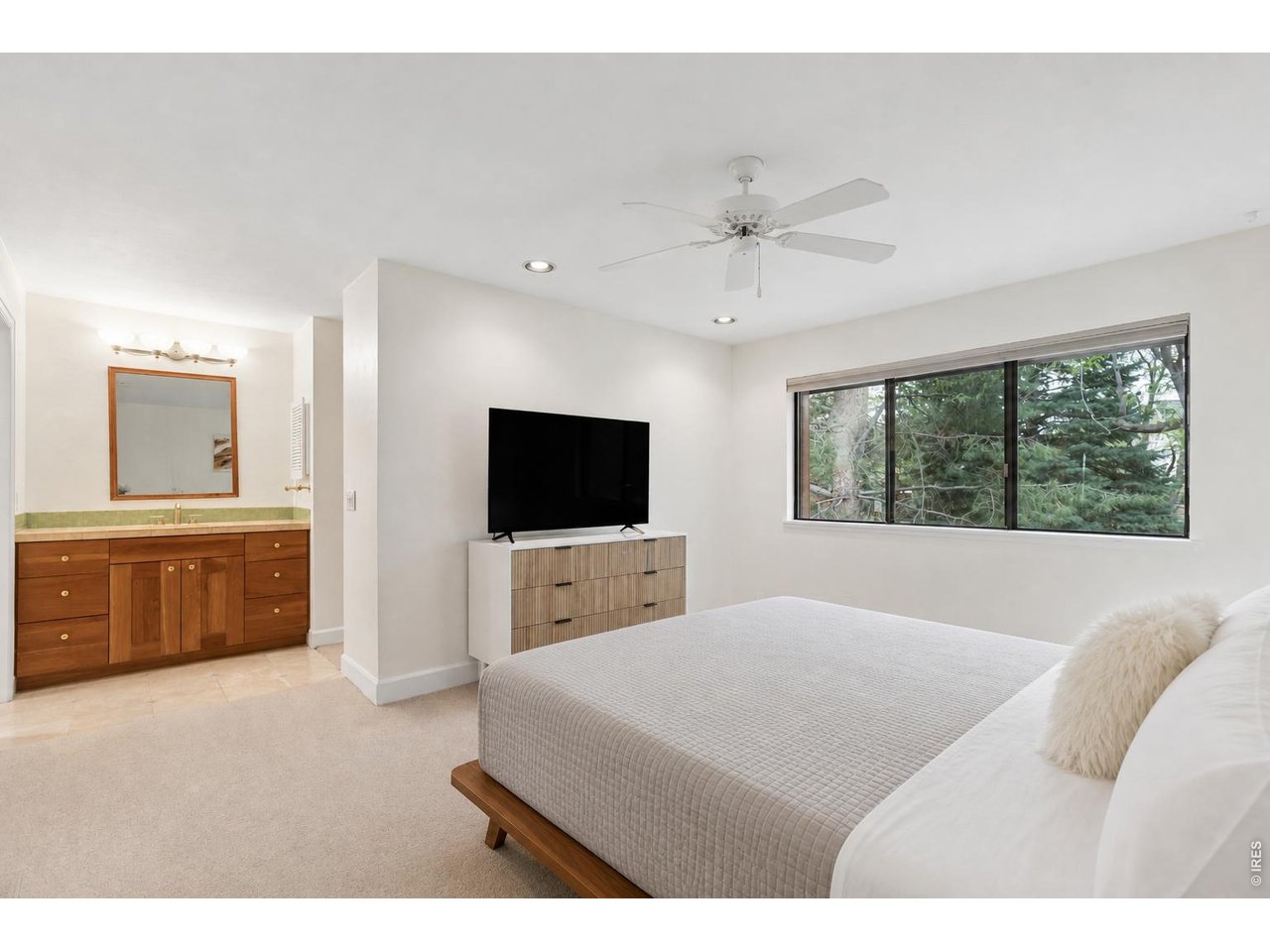
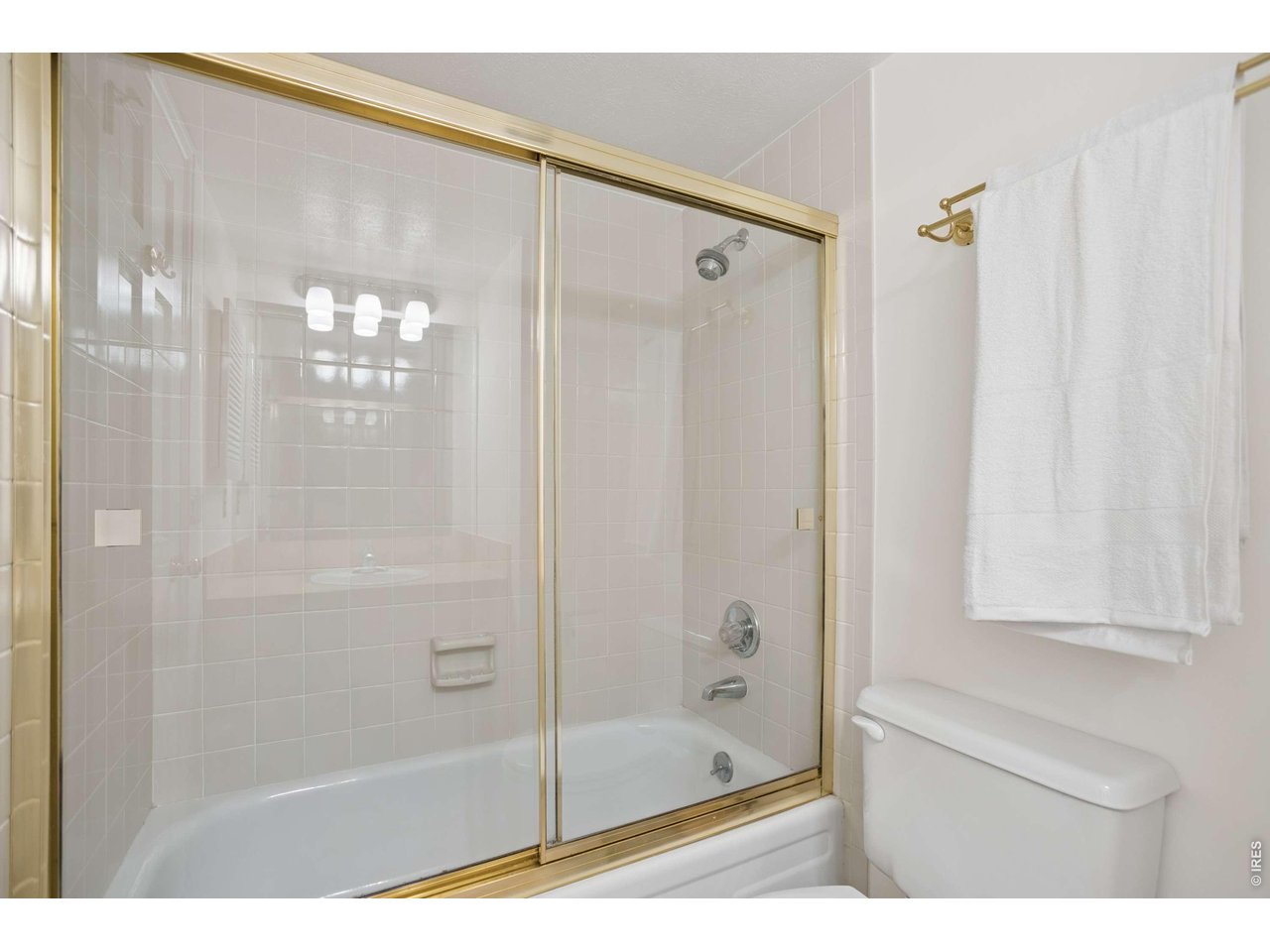
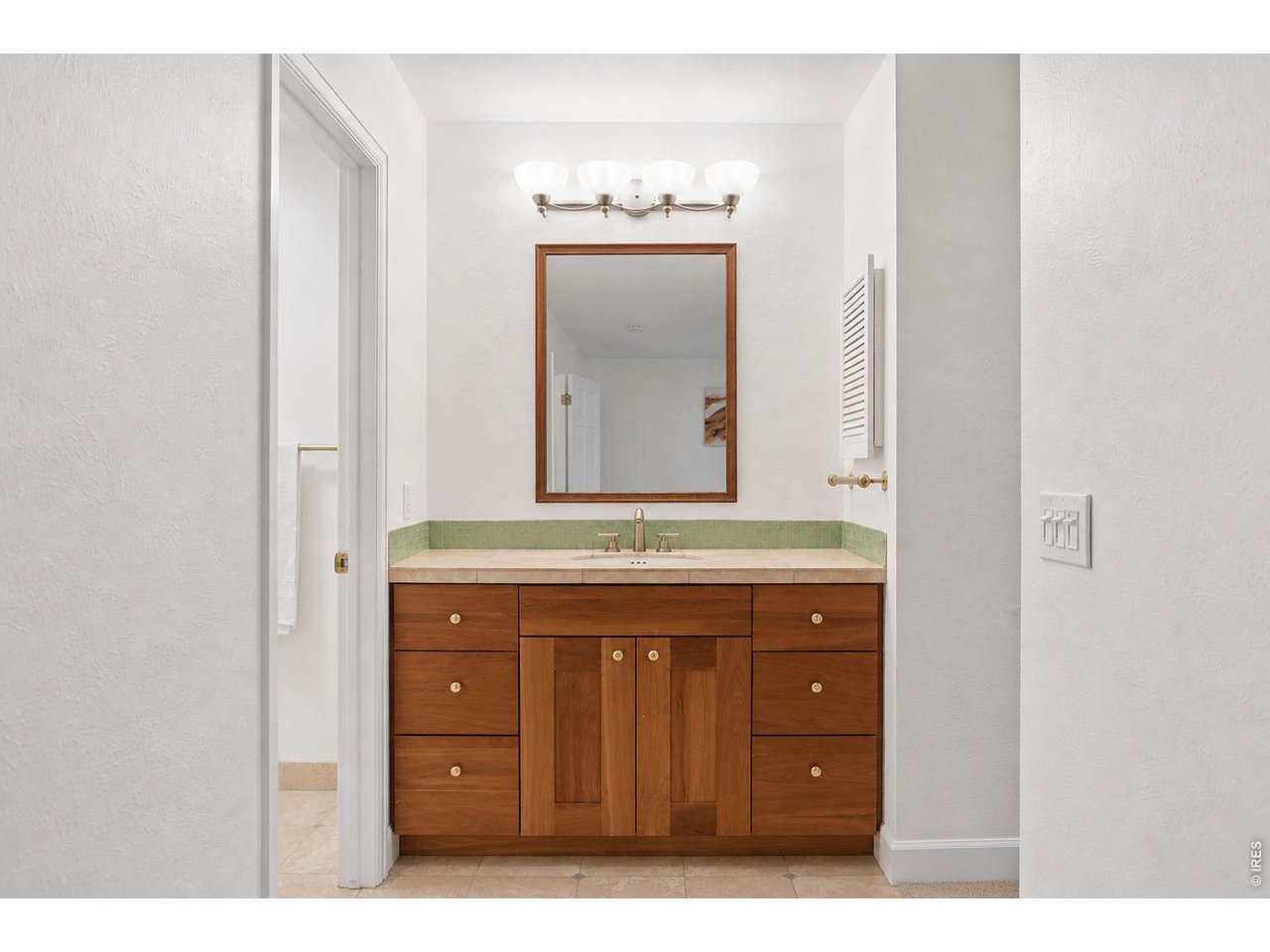
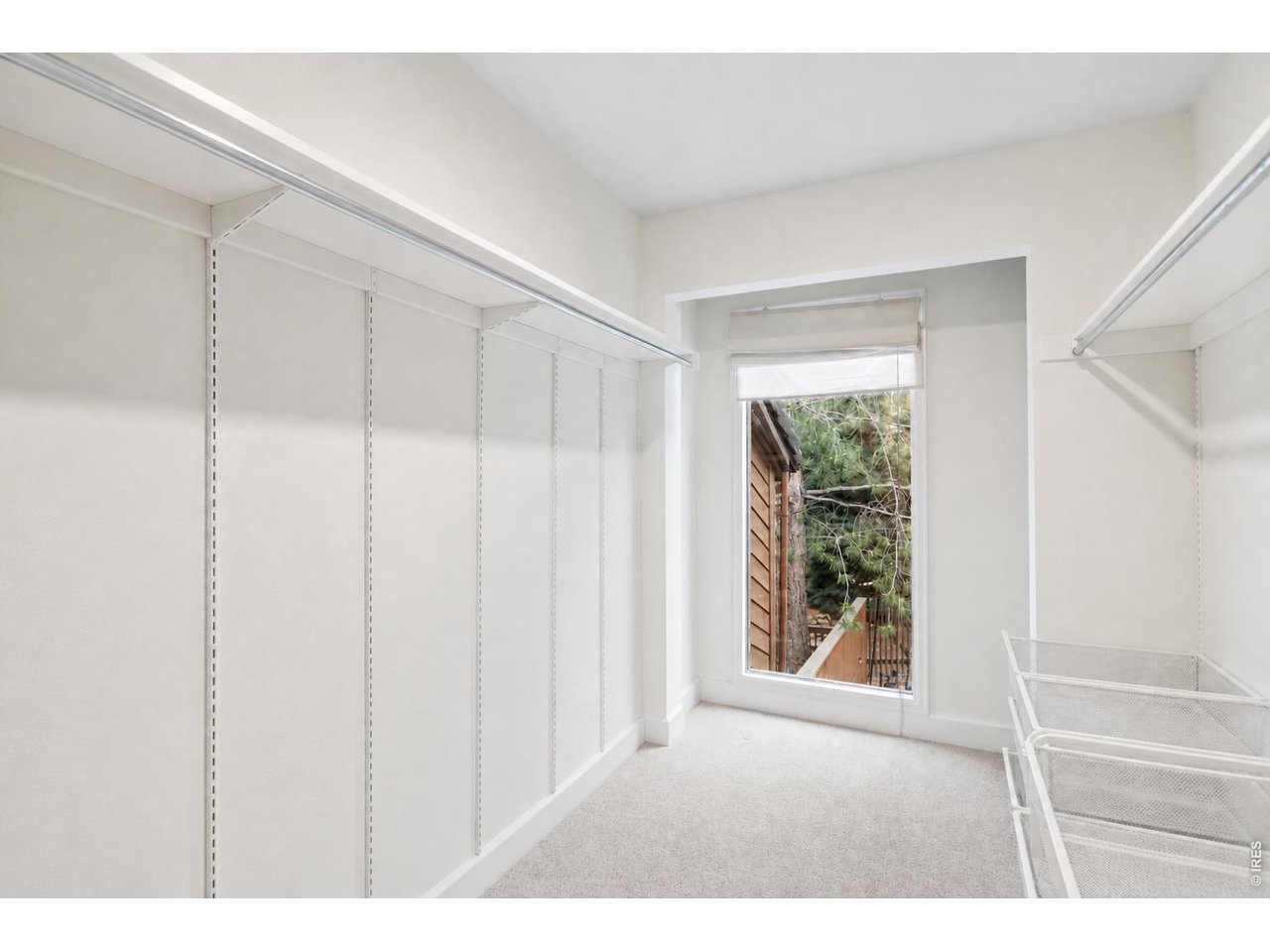
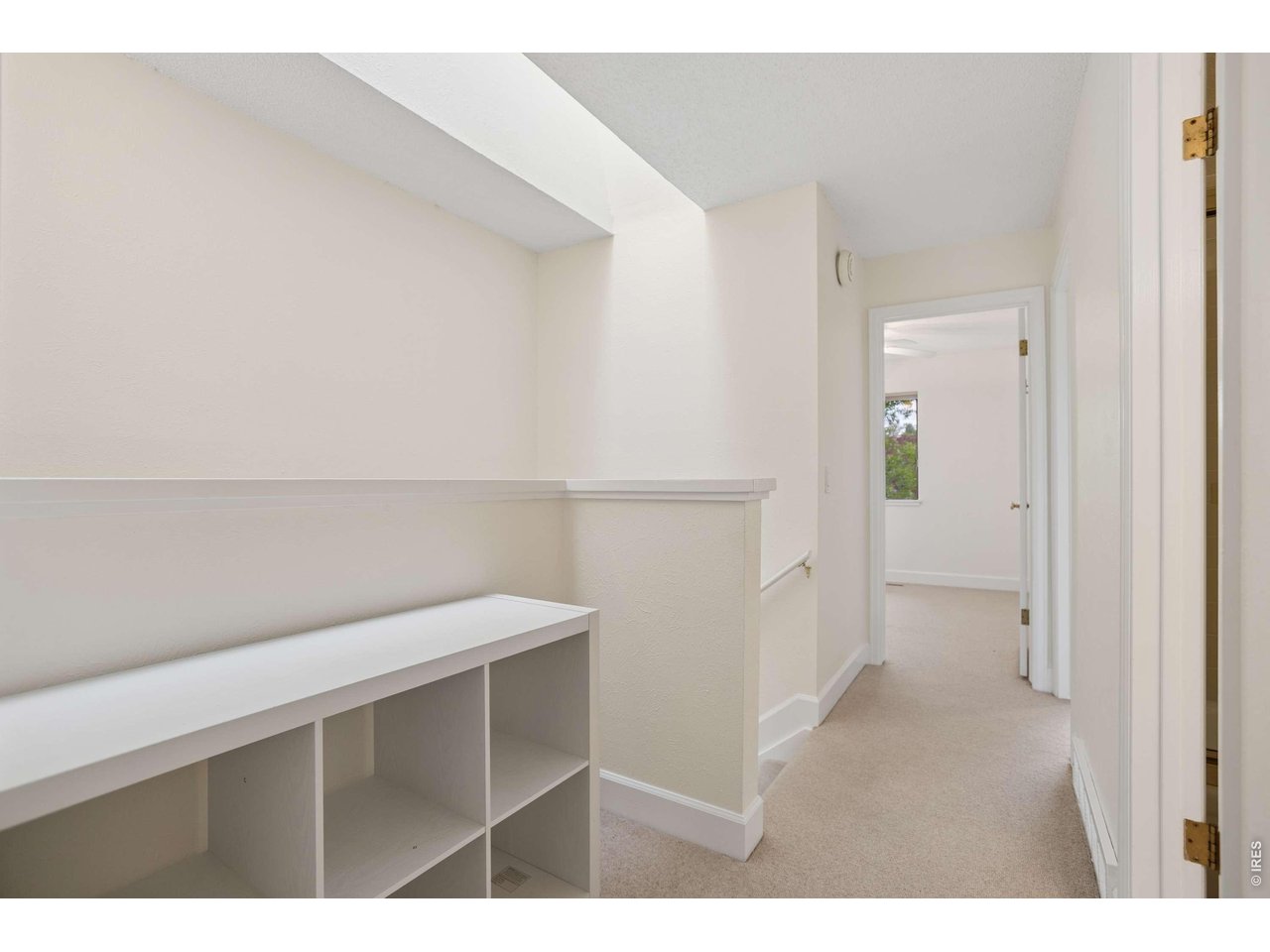
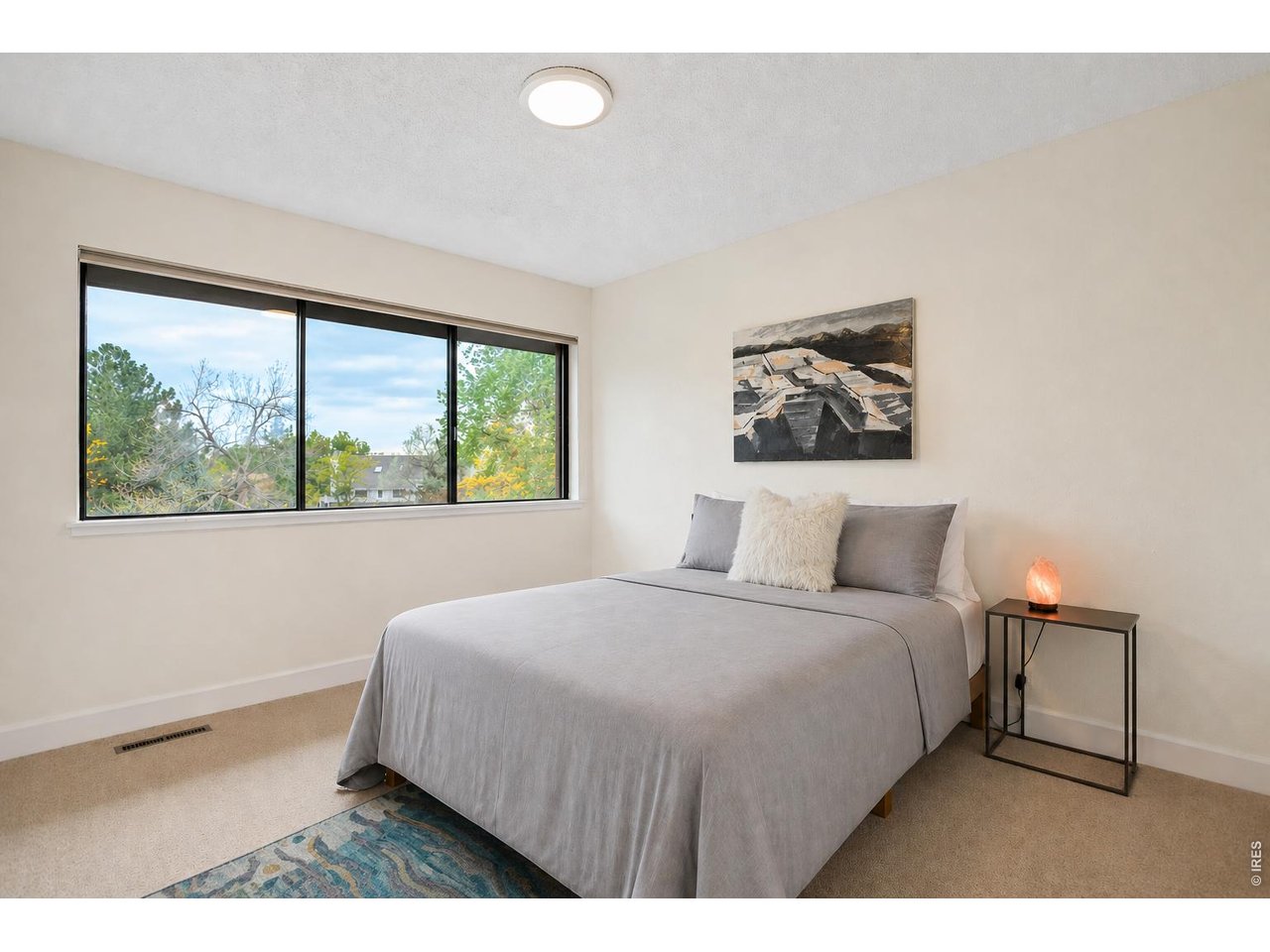
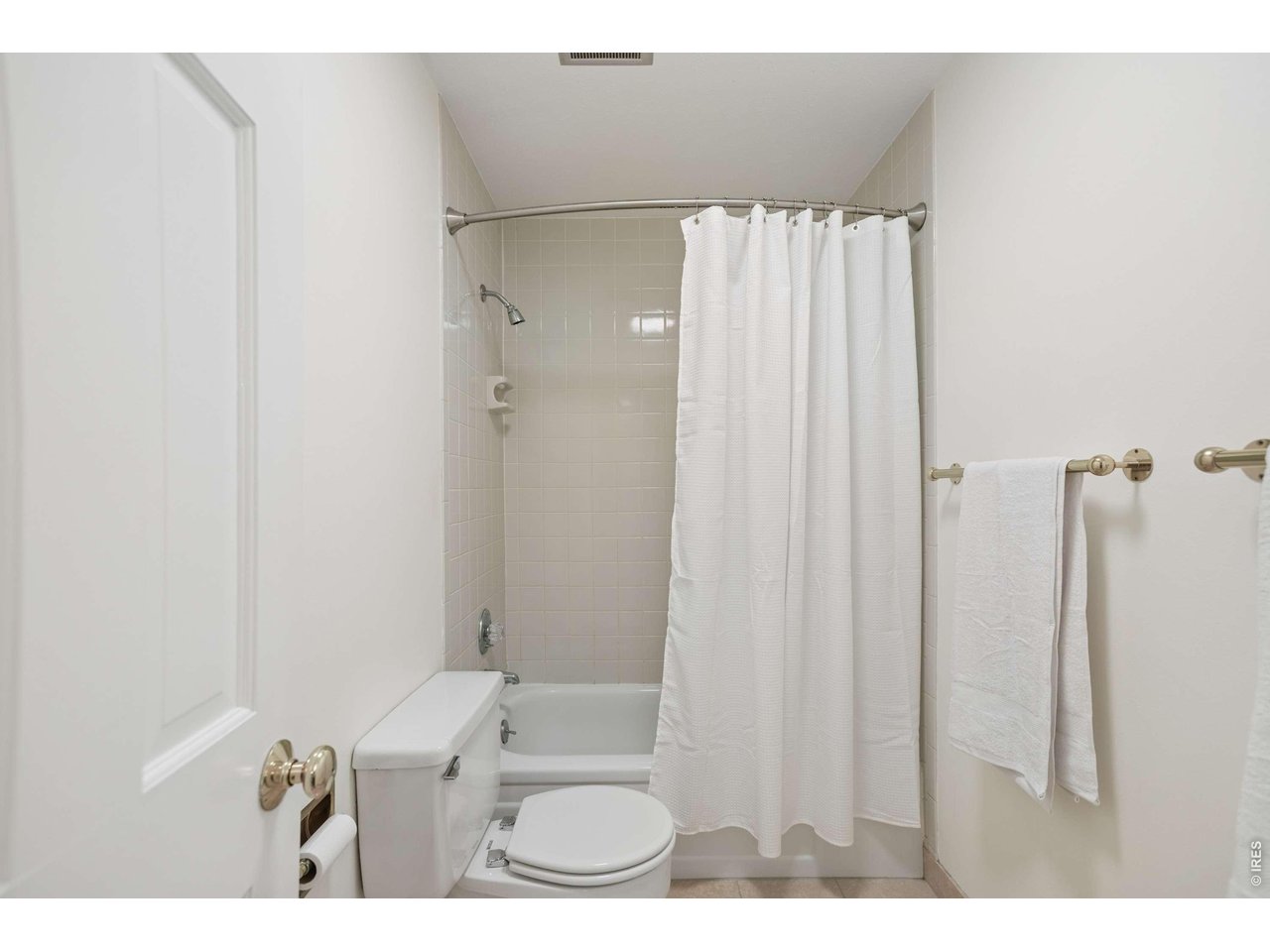
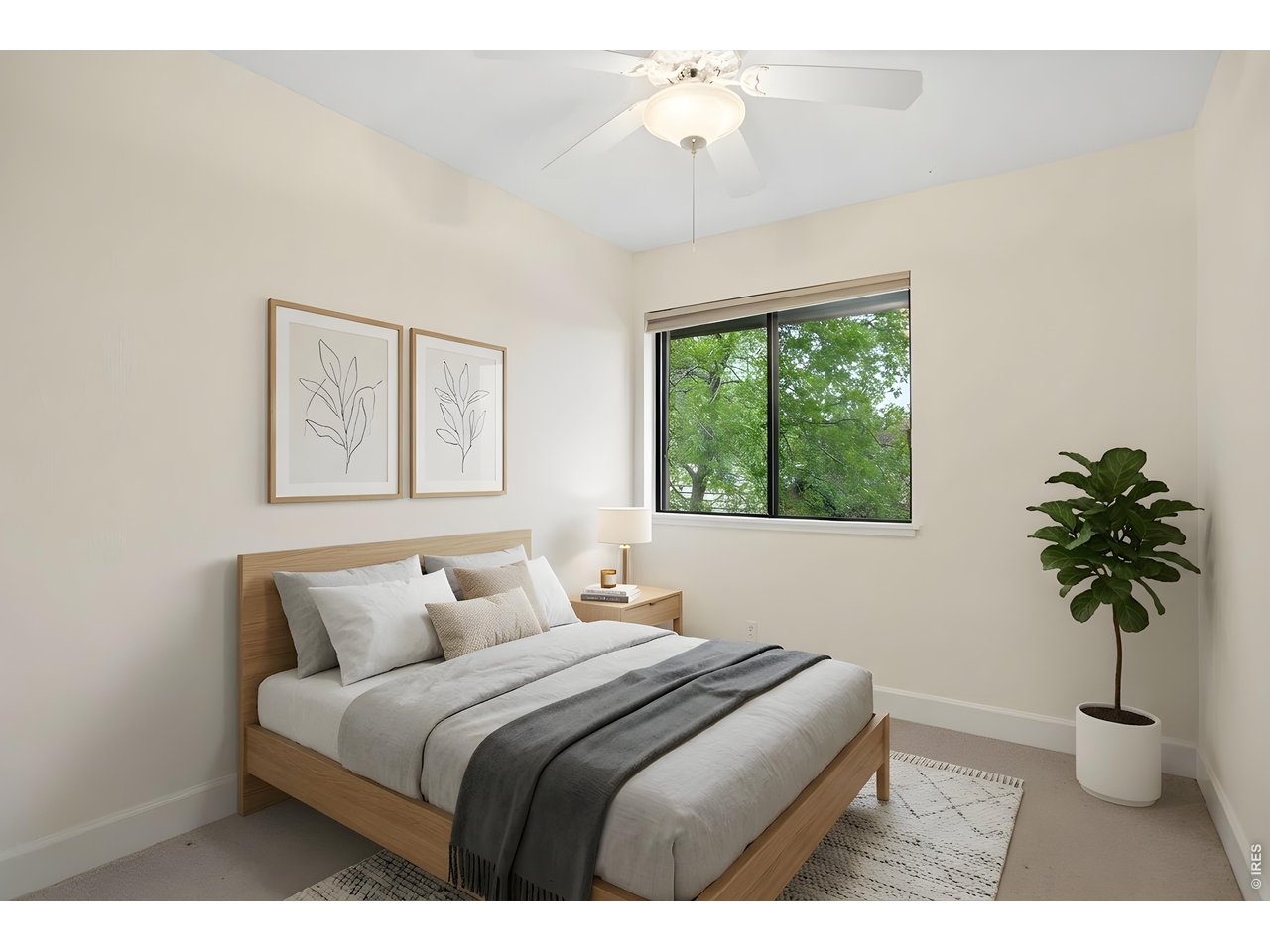
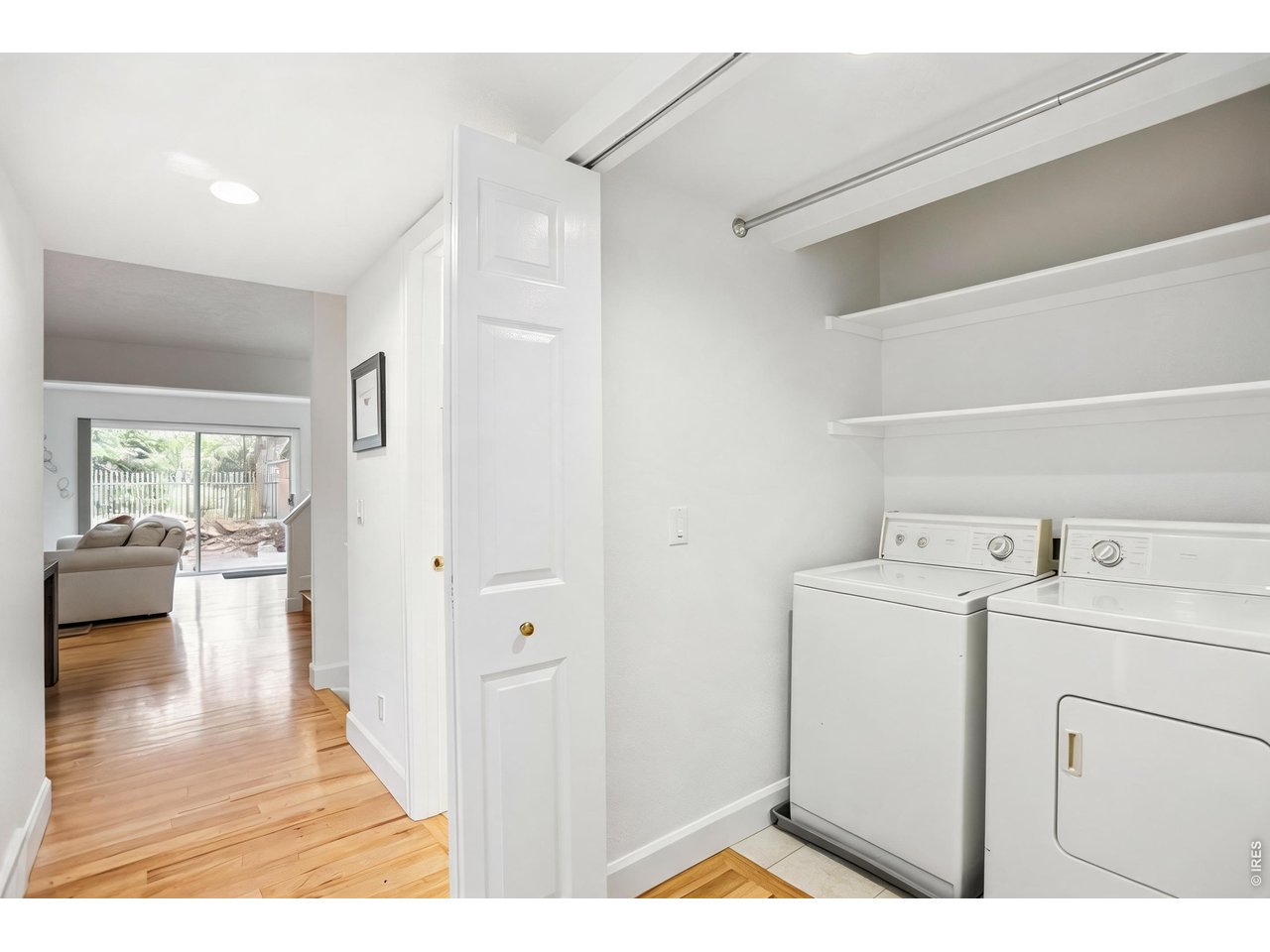
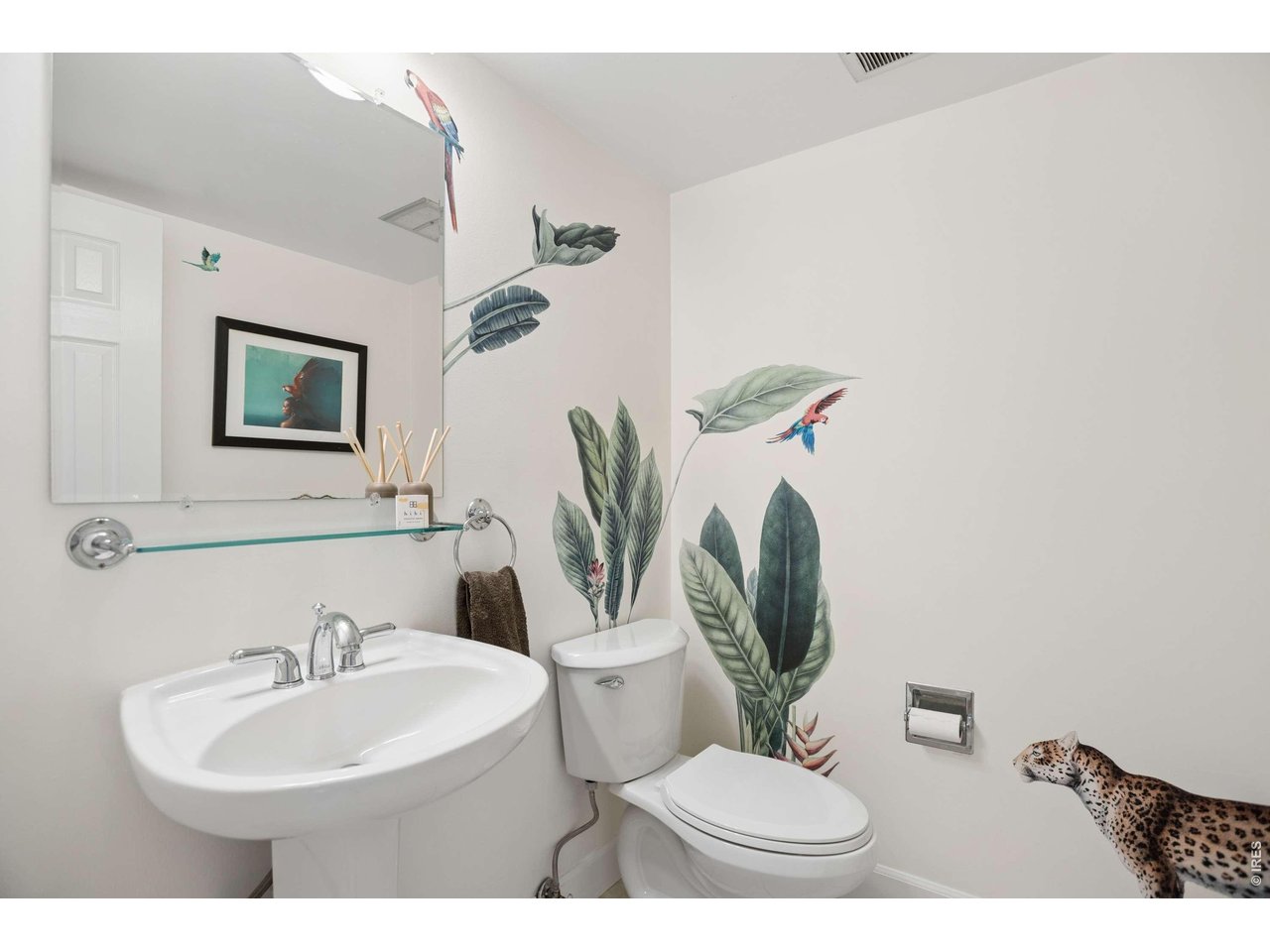
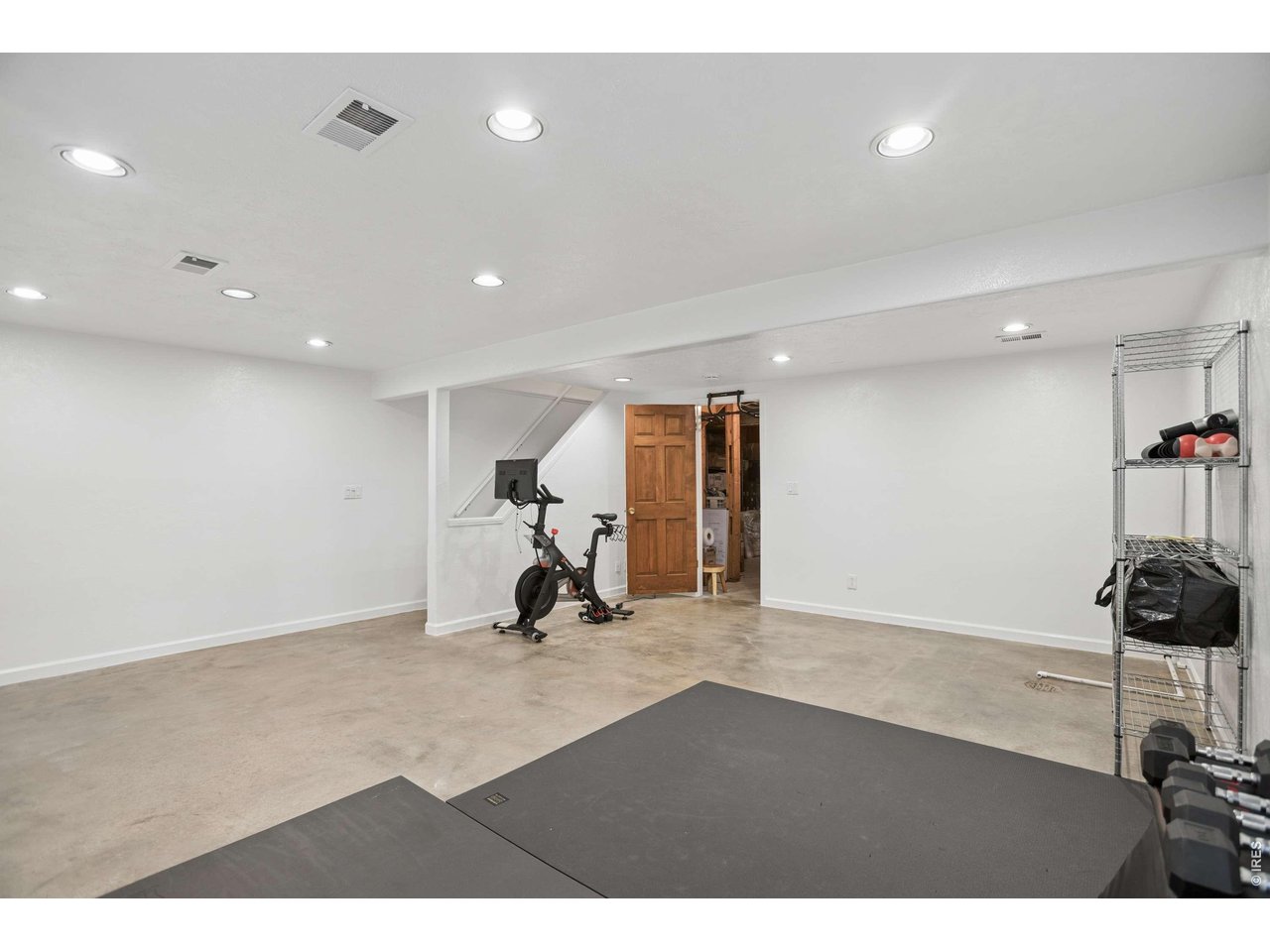
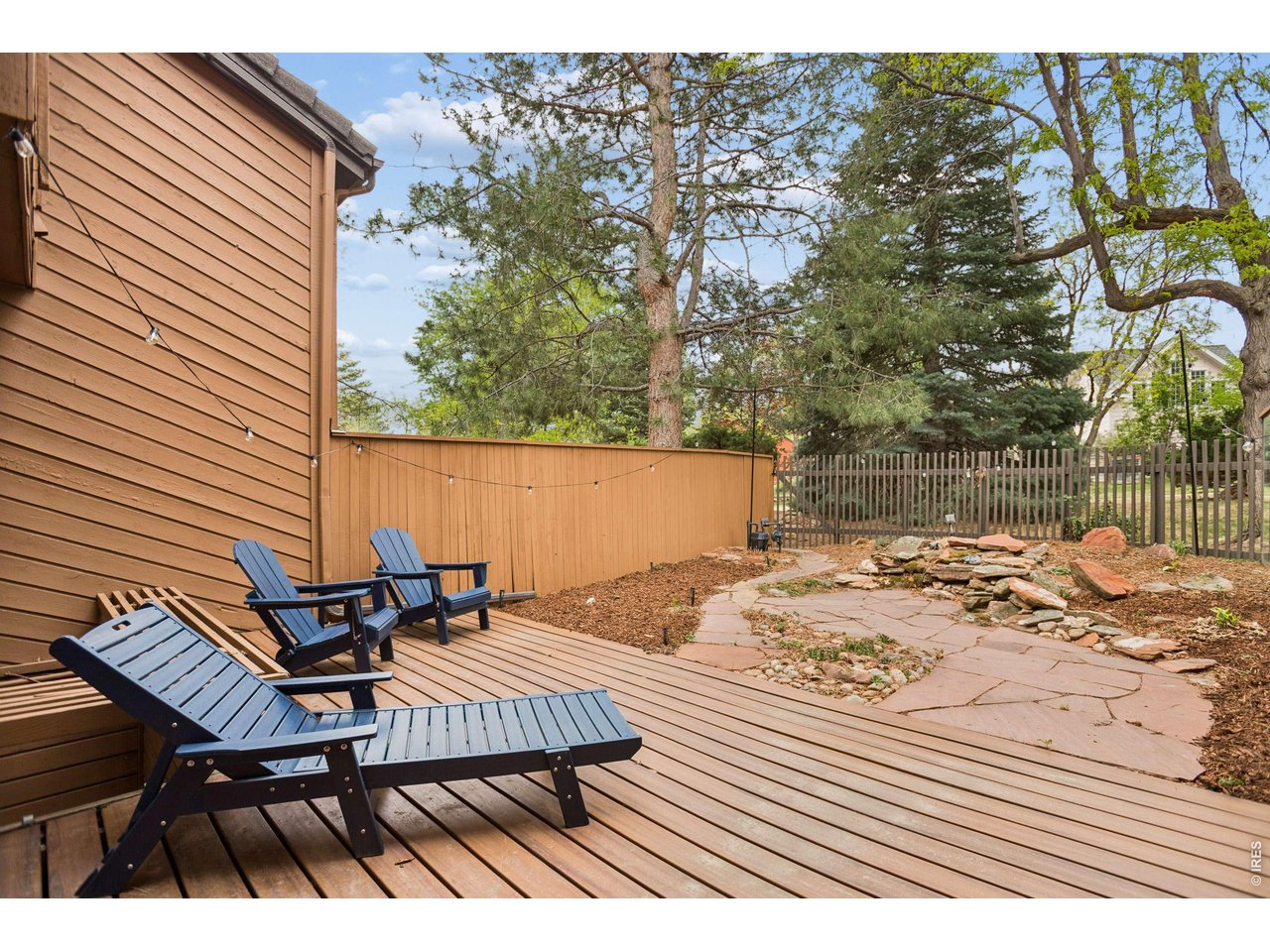
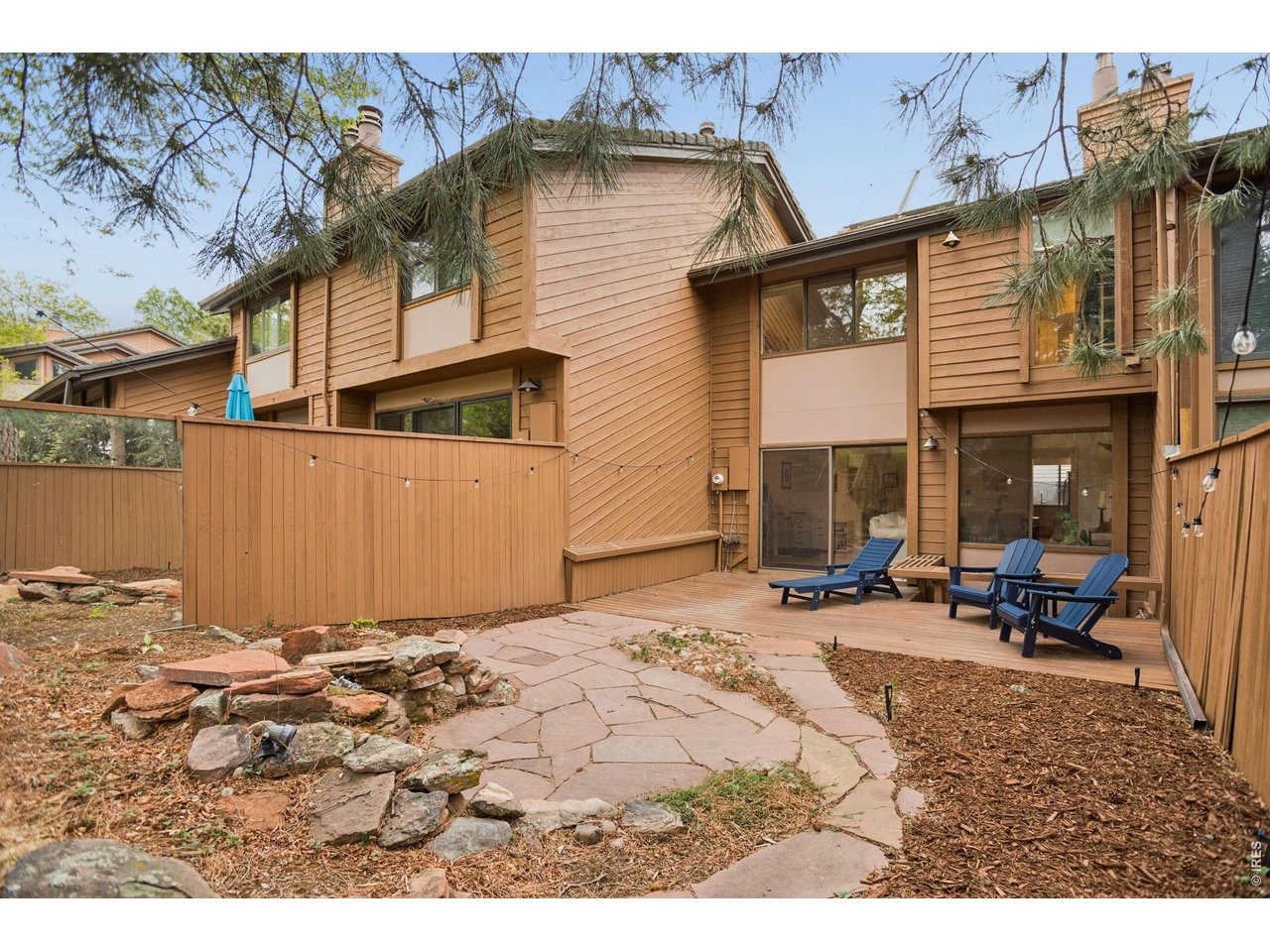
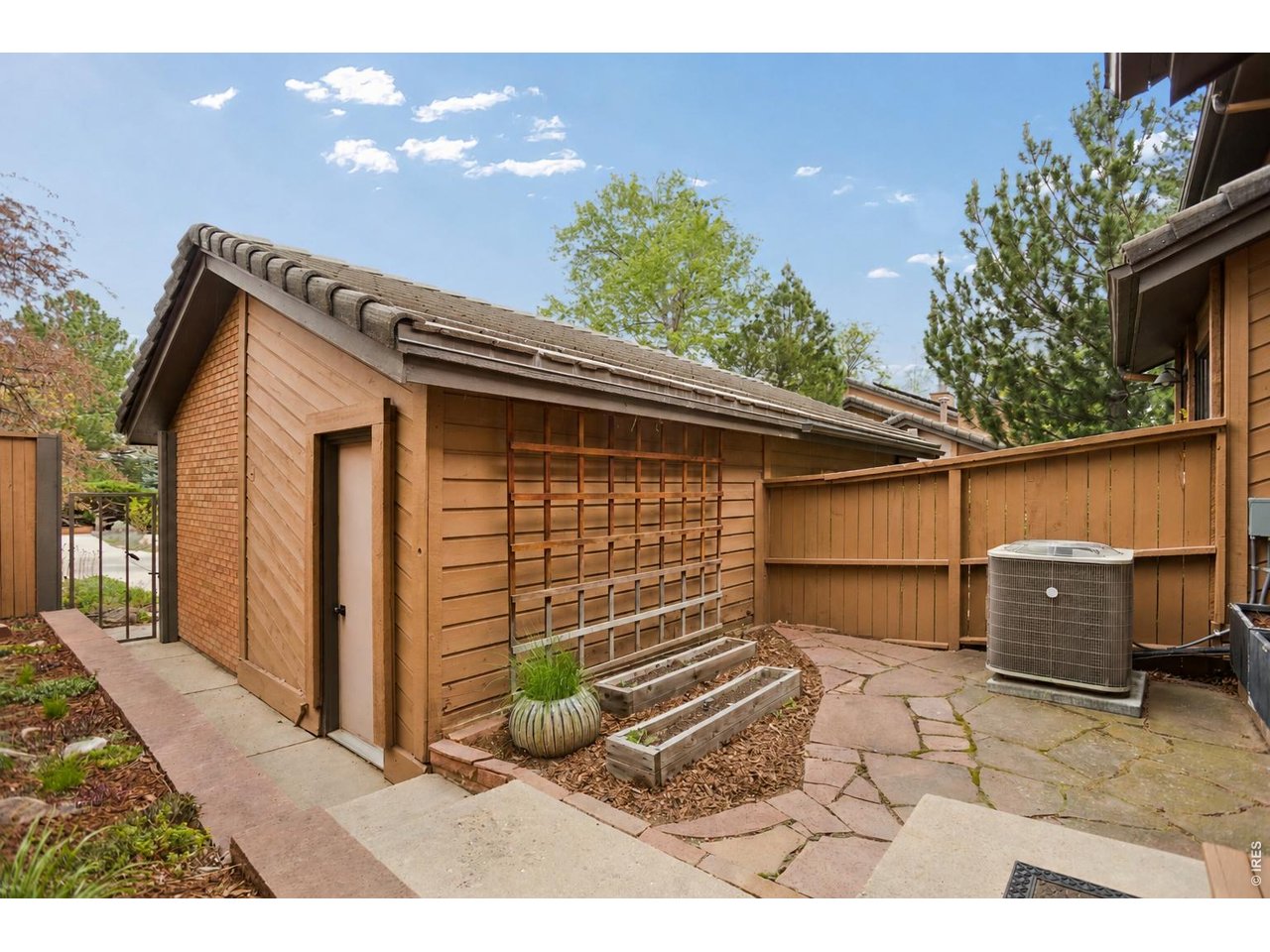
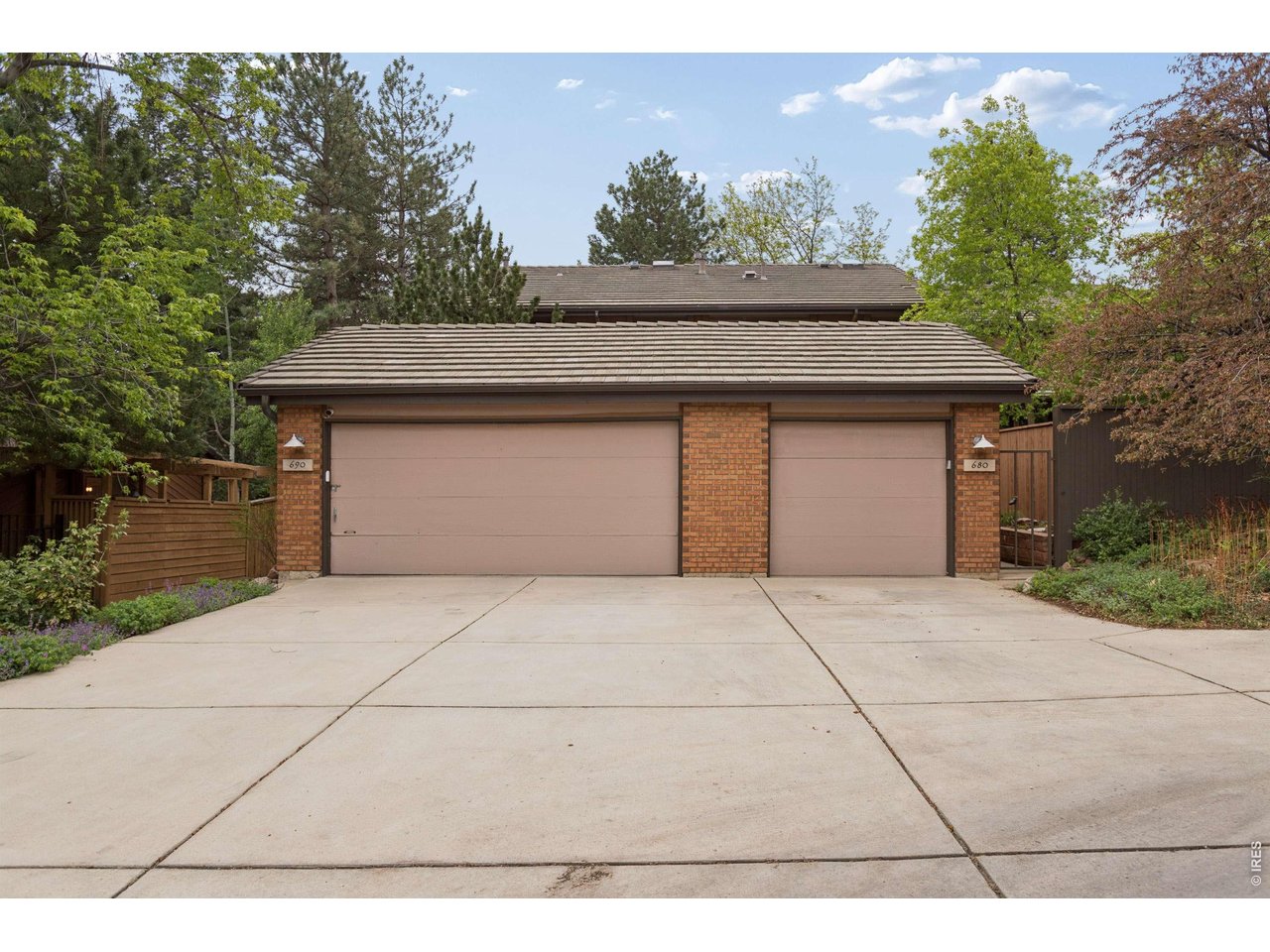
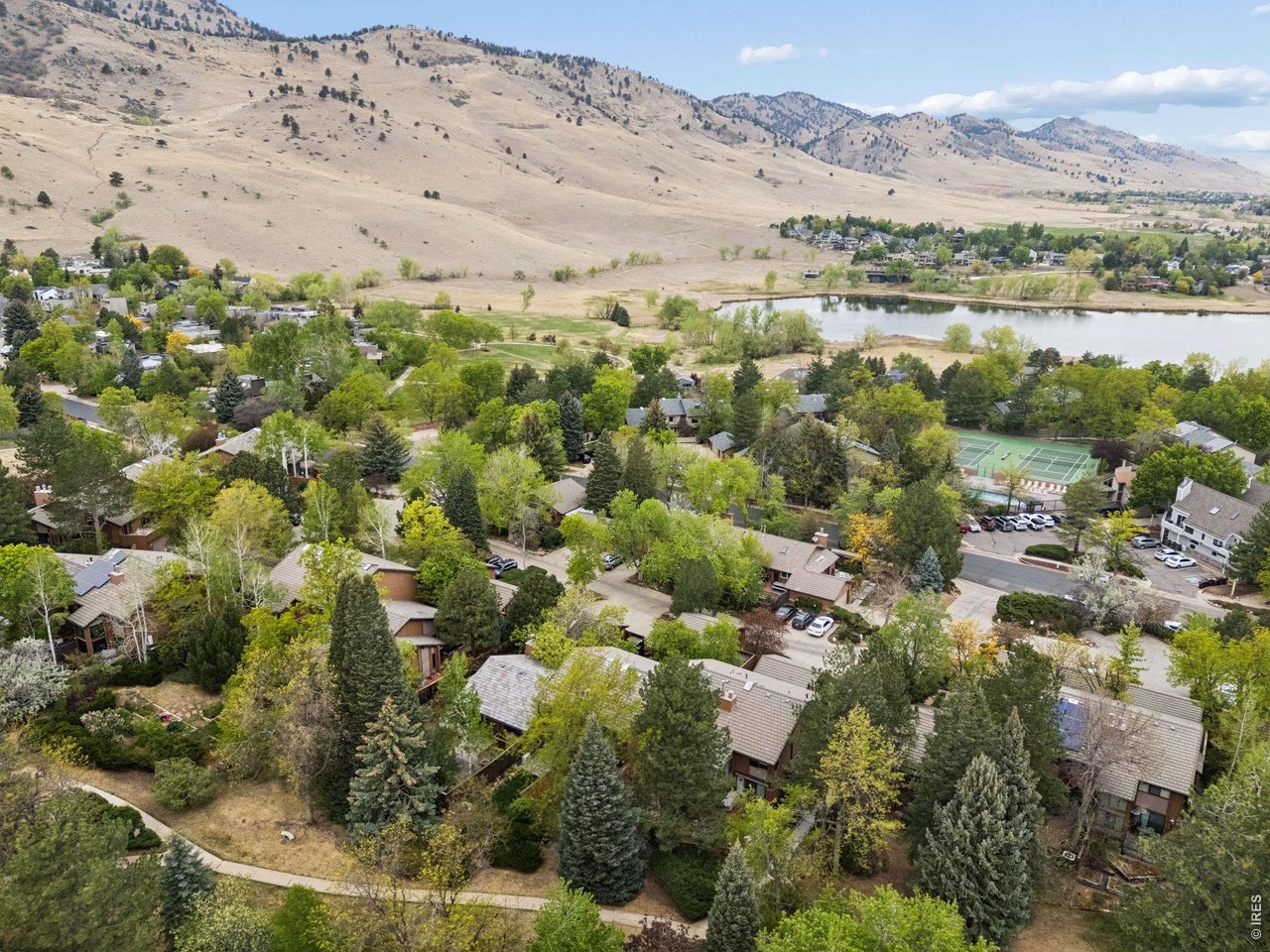
Wonderland Trailside Haven. Perfectly positioned in Boulder's coveted Wonderland Hill, this refined residence captures the essence of elevated Colorado living. Serene surroundings meet effortless access to nature and neighborhood charm. Just moments from Wonderland Lake and miles of scenic hiking trails, and a short stroll to Lucky's Market and local coffee shops, the location is as exceptional as the home itself. A welcoming front courtyard sets the tone, offering a private and tranquil entry experience. Inside, rich wood flooring flows throughout the main level, where an abundance of natural light fills the open-concept living spaces. The kitchen is both stylish and functional, featuring granite countertops, a gas range, and generous storage, seamlessly connecting to the dining and living areas for easy everyday living and entertaining. The living room is anchored by a cozy gas fireplace and opens effortlessly to the backyard, an inviting outdoor retreat with a sprawling flagstone patio, mature landscaping, and a private gate leading directly to nearby trails. This rare connection to nature creates a true indoor-outdoor lifestyle. Upstairs, two spacious secondary bedrooms are bright and inviting, offering picturesque foothill views. The primary suite is a serene sanctuary overlooking the park, complete with a generous walk-in closet with a window and a well-appointed en-suite bath. The partially finished lower level offers incredible flexibility, with rough-in plumbing for a future bath, bar, or additional bedroom. Currently utilized as a fitness space, it also provides ample storage options. Complete with a detached one-car garage and tucked within one of Boulder's most desirable enclaves, The Wonderland Trailside Haven presents a rare opportunity to experience comfort, privacy, and proximity in perfect harmony.

Share Property

Location

680 Poplar Ave, Boulder, CO 80304

Status

For Sale

1976

1976

Year Built

3

3

Total Bedrooms

3

3

Total Bathrooms

2,043

2,043

Sq.Ft.

Living Space

2,613.6

2,613.6

Sq.Ft.

Lot Size

1.0

1.0

Garage Space

image

Schedule a Tour

We would love to show you our beautiful property. Please select your preferred date and time below. An agent will be in touch shortly to confirm your appointment.

Schedule a Tour

We would love to show you our beautiful property. Please select your preferred date and time below. An agent will be in touch shortly to confirm your appointment.

Thank you for your interest in 680 Poplar Ave, Boulder, CO 80304. We are reviewing your request and will be in touch shortly!
thumbnail
01

Interior

Total Bedrooms

3

Total Bathrooms

3

Full Bathrooms

2

Half Bathroom

1

Flooring

Wood

Fireplace

Gas, Living Room

Appliances

Gas Range, Dishwasher, Refrigerator, Washer, Dryer, Disposal

Other Interior Features

Separate Dining Room, Open Floorplan, Walk-In Closet(s), Skylights
01

Exterior & Building

Stories

2

Garage Space

1.0

Water Source

City

Utilities

Natural Gas Available, Electricity Available

Roof

Composition

Lot Features

Level, Abuts Park, Abuts Public Open Space, House Faces North, City Limits, Paved

Parking

Detached

Heat Type

Forced Air

Air Conditioning

Central Air, Ceiling Fan(s)

Sewer

Public Sewer
01

Lot & Area

Status

For Sale

Living Area

2,043 Sq.Ft.

Lot Size

2,613.6 Sq.Ft.

MLS® ID

1058038

Type

Townhouse

Year Built

1976

Neighborhood

Boulder's Wonderland Hills

Architecture Styles

Contemporary

View Description

Hills

Elementary School

Foothill

Middle School

Centennial

High School

Boulder

School District

Boulder Valley Dist RE2
01

Finance

Sales Price

$1,097,500

Real Estate Taxes

$7,238/yr

HOA Fees

$300/mo

Zoning

RL-2

Mortgage Calculator

Estimate your monthly mortgage payment, including the principal and interest, property taxes, and HOA. Adjust the values to generate a more accurate rate.
All estimates are provided for informational purposes only. Actual amounts may vary.
$0,000 Your Payment 20 15 65
$0,000 Your Payment

Explore

Boulder's Wonderland Hills

Welcome to Wonderland Hills in Boulder, CO


Wonderland Hills is one of North Boulder's most coveted addresses, an established enclave pressed directly against the western foothills where the city ends and protected open space begins. Bounded by Broadway to the east, Linden Avenue to the south, and miles of city-owned wilderness to the north and west, the neighborhood delivers something most Boulder communities can only promise from a distance: actual, daily, front-door access to nature.

The pace here is unmistakably calmer than the rest of the city. Streets wind organically with the foothill contours rather than cutting through them, which keeps cut-through traffic minimal and the soundscape dominated by wind, birds, and the occasional coyote rather than commuters. Homes built primarily between the late 1960s and the 1980s reflect a distinct late-20th-century architectural sensibility, with asymmetrical rooflines, generous lots, and a deliberate effort to blend structures into the surrounding terrain rather than impose on it.

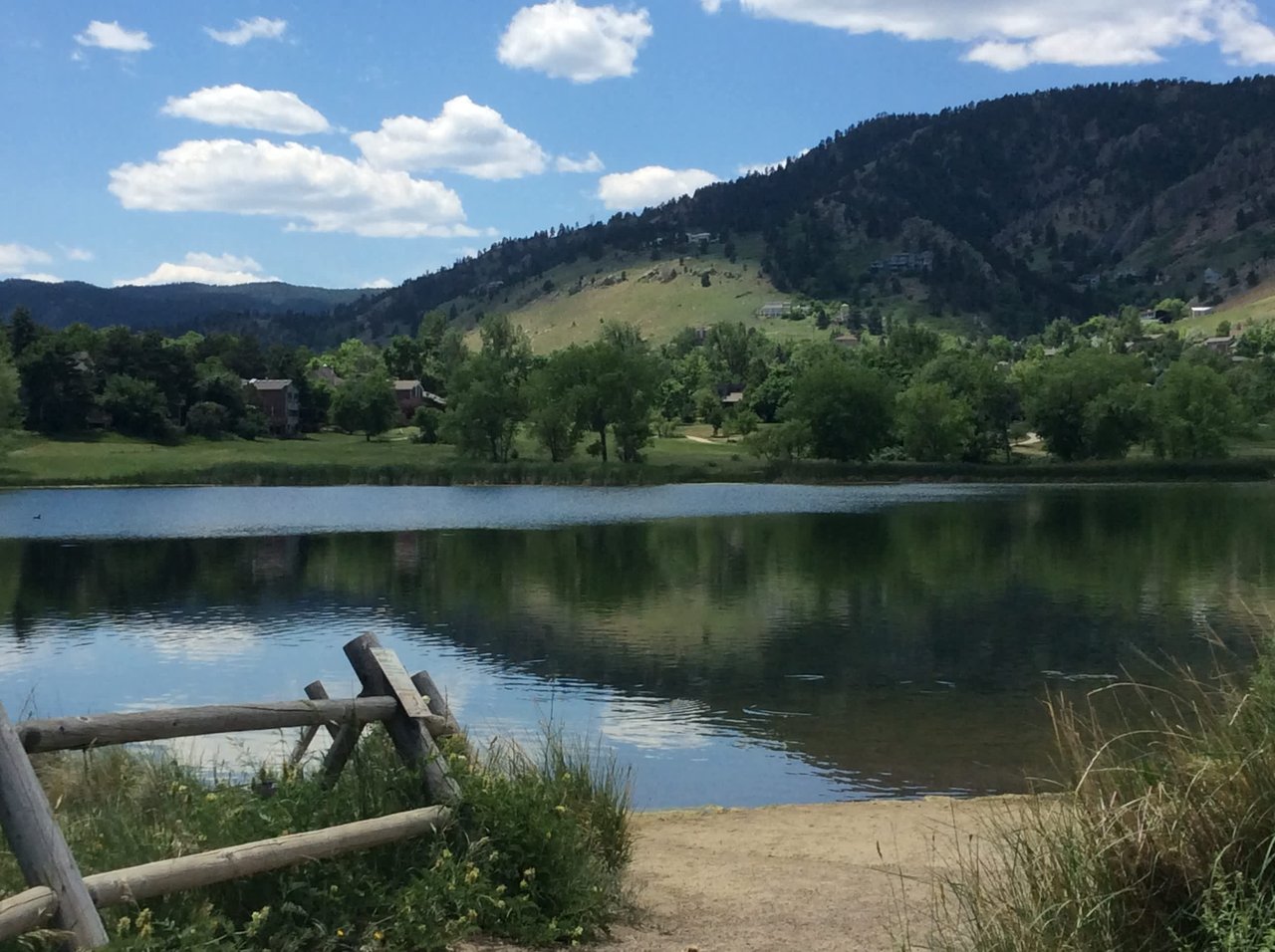
At the heart of it all is Wonderland Lake Park, the daily-life anchor for residents. Within a few minutes' walk from most homes, the lake offers a tranquil reservoir, a nature-themed playground, and direct trail access into the broader Foothills network. And while the neighborhood feels tucked away from the rest of Boulder, the North Boulder commercial corridor (with Lucky's Market, neighborhood cafes, and beloved local restaurants) sits just blocks east, and the SKIP bus on Broadway can have you on Pearl Street in under ten minutes.


A Brief History of Wonderland Hills

The story of Wonderland Hills is inseparable from the story of Boulder's commitment to protecting its surrounding landscape, and the neighborhood's existence is the product of one of the city's most significant early open-space compromises.

Long before residential development arrived, this stretch of North Boulder was rural farmland. In 1907, entrepreneur W.W. Degge acquired the local water rights and Wonderland Lake itself, envisioning a sprawling suburban community he planned to call "Wellington Gardens." His vision was roughly seventy years ahead of its time, and the project never materialized. Decades later, local resident Walt Moore built a dam on the property, transforming the smaller body of water into the Wonderland Lake we know today, originally as a private amenity for his family's home, which was for years the only residence on its shores.

The pivotal chapter began in the early 1970s, when the Wonderland Hill Development Company purchased a 240-acre parcel surrounding the lake from Mary Moore, Walt's widow. The developers brought a progressive vision unusual for the era: a planned residential development that would cluster different housing types together to maximize shared common spaces, greenways, and parks rather than spreading uniform lots across a grid. Their initial plans included a commercial village center and a private boating marina on the lake.

Then came the compromise that shaped everything. The State of Colorado condemned the aging private dam, requiring either a costly rebuild or the lake's draining. At the same time, the City of Boulder, under the leadership of Open Space Director Jim Crain, was aggressively expanding its protected greenbelt. The city opposed a commercial marina and wanted the lake preserved as natural habitat. The resulting deal was historic: the developers sold approximately 100 acres of land to the city at cost, donated the 23-acre lake itself to the public, and in exchange, the City of Boulder assumed responsibility for rebuilding and maintaining the dam.

That single agreement is why Wonderland Hills exists in the form it does today. It protected the foothills ecosystem, created the expansive trail linkages that residents now enjoy daily, and established Wonderland Lake as a public park rather than a gated amenity. The neighborhood itself was built out over the following two decades, with the original design philosophy of seamless integration between private homes and public Colorado nature preserved at every step.


Why Live in Wonderland Hills

Wonderland Hills earns its reputation by delivering a version of the Colorado lifestyle that most neighborhoods only hint at. It attracts the kind of buyer who wants nature genuinely woven into daily life rather than treated as a weekend destination, while still keeping a downtown coffee shop within a ten-minute bike ride.

The single biggest draw is front-door trail access. You don't need to load a car, drive to a trailhead, or pay for parking to start your hike or bike ride; you simply step outside and you're already in protected open space. That kind of direct connection to wilderness is genuinely rare, even by Boulder standards.

The atmosphere is the second selling point. Unlike the higher-density corridors near downtown or the university, Wonderland Hills carries a slower, quieter energy. The winding street layouts discourage through-traffic, and most days the loudest sound on the block is someone walking a dog or kids riding bikes to the playground.

There's also a genuine sense of community that's harder to manufacture than it sounds. The neighborhood's design naturally pushes people into shared spaces, whether that's running into neighbors on the 1.5-mile Wonderland Lake Loop, chatting at the pool during summer afternoons, or seeing the same familiar faces walking the trails at sunset. It feels like a cohesive village rather than a collection of separate addresses.

Finally, the location strikes a balance that's surprisingly hard to find in Boulder. You're a five-minute walk from the North Boulder commercial scene, less than ten minutes by bike or car from Pearl Street, and somehow still surrounded by enough open space to feel like you're living somewhere semi-rural.


Real Estate Market Overview

The Wonderland Hills market is, in a word, constrained. Because the neighborhood is geographically locked in by protected city open space on two sides, there is literally no room for outward expansion. New construction is rare, infill development is rarer still, and inventory remains perpetually tight. The result is a premium market that has historically held its value through every Boulder real estate cycle.

What makes the neighborhood especially interesting from a buyer's standpoint is its housing diversity. Unlike rigid master-planned subdivisions where every home looks like its neighbor, Wonderland Hills was developed in tiers that intentionally mix property types. Single-family homes occupy the larger, gently sloping lots closer to the foothills, often built into the hillsides with striking contemporary designs and expansive windows engineered to frame the Flatirons. Townhomes and condos thread through the greenways and sit closer to the lake, offering lower-maintenance ownership without sacrificing the neighborhood's architectural character or its trail access.

Pricing reflects this range. Average home values across the neighborhood sit around $1.58M. Entry-level townhomes and attached properties typically trade between $800,000 and $1.2M. Detached single-family homes generally run from $1.8M to $4M, with newly renovated luxury estates on the premier foothill-facing courts pushing well above $4.5M. Properties that are priced correctly tend to move within 20 to 50 days, and while the broader market has shifted toward a more balanced negotiation environment between buyers and sellers, Wonderland Hills' geographic scarcity keeps long-term demand remarkably steady. Turnover is low; owners here tend to stay for decades.


Home Styles & Architecture

Wonderland Hills is a masterclass in contemporary mountain architecture, and walking through it feels distinctly different from any other Boulder neighborhood. Where the Newlands showcases Victorian brick and South Boulder offers uniform mid-century tracts, Wonderland Hills built its identity on late-20th-century modernism executed at an exceptionally high level.

The homes were deliberately designed to blend into the rugged geography rather than dominate it. You'll see structures built directly into sloping hillsides, finished in natural local stone, rough-sawn cedar, steel accents, and muted earth tones that mirror the foothills behind them. The geometries are dramatic and intentional: asymmetrical rooflines, shed roofs at sharp angles, and cantilevered upper levels that were engineered as much for snow-load management as for visual interest. Interiors lean into the same philosophy, with soaring cathedral ceilings, open floor plans, multi-tiered wrap-around decks, and massive expanses of glass positioned to capture views of the Flatirons and Wonderland Lake.

The neighborhood also carries genuine architectural prestige. The iconic Brenton House, often called the "Mushroom House" or "Barnacle House," was designed in the late 1960s by famed organic modernist Charles Haertling and sits right on Wonderland Hill Avenue. Its curvilinear polyurethane structure was strange enough to land a starring role in Woody Allen's 1973 film Sleeper, and it remains one of Boulder's most photographed homes.

In recent years, a significant share of properties have undergone deep renovations. High-end buyers frequently strip older homes to the studs and reintroduce sleek Scandinavian-modern or industrial-mountain interiors while preserving the original architectural envelope. The result is a neighborhood where you can find an immaculately preserved 1970s original on one block and a fully transformed contemporary luxury home on the next.


Median Home Prices & Market Trends

Pricing in Wonderland Hills is defined by scarcity. With protected open space on two sides and no available land for new construction, supply simply cannot expand to meet demand. That structural reality keeps prices premium and remarkably stable.

The overall average home value across the neighborhood sits around $1.58M, but that figure masks a meaningful range across property types. Attached properties (townhomes, condos, and patio homes closer to Broadway or threading through the internal greenways) generally trade between $800,000 and $1.2M. Single-family detached homes start closer to $1.8M to $2M for an entry point. Properties that back directly to the open space trailheads or sit perched on the higher ridges with panoramic valley views routinely fetch between $3M and $4.5M, and the top end of the market continues to climb.

Recent trends reflect the broader cooling that's hit Boulder's market overall. Following the hyper-aggressive bidding wars of the early 2020s and the subsequent interest rate environment, buyers have become more selective. Average days on market generally float between 30 and 50 days, and some listings have seen modest price adjustments from their peak-market highs. Still, year-over-year price fluctuations sit at a minor decline of just about 0.5%, meaning the neighborhood's extreme desirability continues to act as a buffer against deeper corrections.

What's worth understanding as a buyer is that turnover here is genuinely low. Owners tend to stay for decades, and it's common to find only one or two active listings (sometimes zero) across the entire neighborhood at any given moment. When a property does come to market, interested buyers need to be ready to move.


Property Taxes & HOA Information

The financial picture of owning in Wonderland Hills involves two structural costs worth understanding clearly: Colorado's distinctive property tax system and the neighborhood's layered HOA structure.

Colorado generally features some of the lowest effective property tax rates in the country, but because Boulder home values are premium, the resulting bills are still substantial. Boulder County uses a split assessment rate of 7.05% for school districts and 6.25% for other local government entities, applied to your home's actual market value and then multiplied by the local mill levy. For a standard single-family home valued at $1.8M, annual property taxes typically fall between $9,500 and $11,500. For luxury homes above $3M, expect annual taxes ranging from $17,000 to over $22,000.

The HOA structure is less monolithic than you might expect. Wonderland Hills is not run by a single sprawling association; instead, it operates with a master umbrella association alongside smaller sub-HOAs for the various townhome and condo pockets.

The master association, the Wonderland Hill Homeowners Association, oversees nearly all single-family and attached homes in the neighborhood. It manages the neighborhood's central recreational amenities, including the community clubhouse, the outdoor swimming pool, and the private tennis courts. Dues for the master association are remarkably reasonable, since they focus strictly on recreational facility upkeep rather than full-service property management.

If you purchase a townhome or condo, you'll also pay a comprehensive monthly sub-HOA fee, typically ranging from $350 to $500 or more. These dues cover the structural protections that make attached living lower-maintenance: exterior building maintenance (roofs, siding, balconies), blanket hazard and exterior insurance, common area landscaping, trash service, and professional snow removal during Boulder's heavier winter storms.


Schools Serving Wonderland Hills

For families, the educational picture in Wonderland Hills is a meaningful part of the neighborhood's appeal. The area is served by the Boulder Valley School District, consistently ranked among the top public districts in Colorado, and the assigned schools each carry strong reputations.

Foothill Elementary serves grades K through 5 and sits just minutes southeast of the neighborhood. It's celebrated for its strong academic foundations, a deeply engaged parent community, exceptional science and arts programming, and a dedicated talented-and-gifted track. The school also leverages Boulder's open spaces for outdoor education in a way that aligns naturally with the Wonderland Hills lifestyle.

Centennial Middle School handles grades 6 through 8 and is located east off Norwood Avenue. It's highly regarded for its robust pre-engineering modules, a diverse selection of electives spanning music, theater, and foreign language, and a clear emphasis on environmental sustainability.

Boulder High School serves grades 9 through 12 and is Colorado's oldest active high school. Located closer to the heart of downtown, it balances a rich historic legacy with genuinely progressive academics. It's a certified International Baccalaureate world school, gives students access to a wide selection of Advanced Placement courses, fields competitive athletic programs, and supports an exceptionally diverse range of student-led clubs.

Beyond the traditional track, Boulder's strong tradition of school choice means many Wonderland Hills families open-enroll into alternative options. Shining Mountain Waldorf School, located right in North Boulder, offers an experiential, arts-and-nature-integrated curriculum, while Boulder Universal and Horizons K-8 provide public charter options focused on self-directed learning.


Parks & Recreation

In Wonderland Hills, the line between "neighborhood" and "outdoor recreation" essentially doesn't exist. The community's boundary transitions immediately into protected land, turning the entire surrounding landscape into something closer to an open-air recreational facility than a backyard.

The centerpiece is Wonderland Lake Park, encompassing the lake itself and managed by the City of Boulder Open Space and Mountain Parks division. The 1.5-mile dirt loop circling the water is the neighborhood's daily ritual, used constantly by runners, dog walkers, families pushing strollers, and birdwatchers. The lake itself functions as a wildlife refuge where it's genuinely common to spot mule deer grazing the banks, foxes darting through the brush, a wide variety of waterfowl, and the occasional bird of prey overhead. The lake is also open to artificial-bait fishing, primarily for bass and bluegill. On the eastern edge of the park, a nature-themed playground gives kids a dedicated space alongside open grassy areas perfect for picnics or after-school catch.

The trail networks extending from the neighborhood are the bigger story. The Foothills Trail runs north-south along the western edge of the community, letting hikers and trail runners connect all the way south to North Boulder Park or push north toward the Hogback ridge. The Wonderland Hill Trail climbs steeply up the hillside directly behind the homes, offering one of the best workout-and-view combinations in the city and terminating near a well-known launch pad used by Boulder's paragliding and hang-gliding community.

Closer to home, residents have access to private recreational facilities maintained by the neighborhood's master HOA. The Wonderland Hill Clubhouse serves as a community hub for meetings and private events, and the adjacent outdoor swimming pool stays busy throughout the summer. The tennis courts (now frequently used for pickleball as well) act as something of a social anchor for the neighborhood on warm afternoons.


Dining & Restaurants Nearby

The dining scene around Wonderland Hills is one of its quieter advantages. The neighborhood sits just blocks from the North Boulder commercial center, a pocket that has cultivated a distinctly local food scene oriented around residents rather than tourists. It skips the Pearl Street crowds entirely but doesn't sacrifice quality.

The Lucky's Center anchors the local scene. Lucky's Bakehouse Cafe, at Broadway and Quince, has been a neighborhood staple for years, serving chef-driven American breakfast and lunch with a heavy emphasis on organic, locally sourced Colorado ingredients. The Farm Benedict and the chicken fried steak are local legends. Next door, Lucky's Bakehouse & Creamery handles the sweet-tooth side of the operation with high-end pastries, custom cakes, artisanal cookies, and small-batch ice cream. And inside Lucky's Market itself, the deli counter offers a fantastic hot bar, scratch-made sides, and a custom sandwich operation that moves quickly during the lunch rush.

For dinner, Dagabi Cucina has served the community for decades and remains the quintessential neighborhood Italian and Mediterranean bistro. The wood-fired pizzas, tapas, intimate patio, and curated wine list make it the kind of place residents return to on Friday nights without thinking twice. China Gourmet is a family-owned spot that consistently turns out some of the best traditional Chinese comfort food and takeout in Boulder. And just a minute or two south on Iris, Tangerine offers a bright, modern destination for Mediterranean-inspired brunch and exceptional espresso.


Shopping & Everyday Conveniences

Daily errands in Wonderland Hills rarely require driving across town, which is a small luxury that residents quickly come to appreciate. The neighborhood enjoys a highly localized retail pocket on its eastern edge, and the broader North Boulder commercial corridor handles nearly everything else.

The Lucky's Market Center serves as the retail heart for North Boulder, sitting just blocks east on Broadway. Lucky's Market itself is a homegrown independent grocery store known for organic produce, an expansive bulk foods section, and high-quality local meats. The surrounding center hosts a pharmacy, dry cleaner, and a collection of boutique shops that handle most daily needs.

Walking or biking south along Broadway places you directly in the North Boulder (NoBo) Art District, a creative pocket filled with independent galleries, pottery studios, local bookstores, and unique makers. It's the kind of place that rewards aimless browsing on a Saturday morning.

For broader needs, Gateway Park Shopping Center is just a minute south down Broadway at Iris Avenue and includes a Safeway grocery store, Walgreens, several banks, hardware resources, and a veterinary clinic. And when you do want the full premium shopping experience (high-end fashion, the massive REI flagship, specialty boutiques), the historic Pearl Street Mall is less than ten minutes down the road by car or bike.


Commute & Transportation

Wonderland Hills is positioned for an effortless commute regardless of how you prefer to travel, and Boulder's infrastructure ensures the neighborhood feels connected rather than tucked away.

For cyclists (which, in Boulder, is most people), the neighborhood connects directly to a seamless network of paved, off-street multi-use bike paths. You can safely pedal from your front door to the Pearl Street Mall or downtown business district in 8 to 12 minutes without ever sharing a lane with car traffic. That alone is a meaningful daily quality-of-life upgrade.

Public transit is equally efficient. The RTD SKIP bus line runs directly along Broadway with multiple stops at the edge of the neighborhood, including Linden Avenue and Poplar Avenue. During peak daytime hours, the SKIP arrives every 10 to 15 minutes and functions almost like localized light rail, moving riders to downtown Boulder or the CU campus in roughly 10 minutes.

By car, the routes are clean and straightforward. A direct shot south down Broadway reaches downtown in 5 to 7 minutes and the CU campus in about 10. Heading north out of the neighborhood, Broadway quickly connects to US-36 East and Highway 119 (the Diagonal Highway), making commutes to Longmont, Niwot, or Gunbarrel simple. For regional travel, downtown Denver and DIA are roughly 45 to 55 minutes away via US-36 East and the Northwest Parkway.


Wonderland Hills vs. Neighboring North Boulder Communities

When buyers explore North Boulder, four neighborhoods inevitably come up in the same conversation: Wonderland Hills, Dakota Ridge, Northbriar, and the Newlands. Each is highly desirable, each is geographically close to the others, and each has a personality that's worth understanding clearly before you commit.

Wonderland Hills, developed from the late 1960s through the 1980s, is the most integrated with raw nature. Its footprint is organic and winding, with shared greenways, mature landscaping, and immediate trail access. It also offers the broadest housing mix of the four, ranging from condos and townhomes to substantial single-family homes on generous lots.

Dakota Ridge is the newest of the group, developed primarily in the late 1990s and 2000s. Sitting at the northernmost tip of Boulder against the foothills, it has a neo-traditional suburban-village feel with denser layouts and prominent front porches. Floor plans tend to feel newer and crisper than Wonderland Hills, with high ceilings and modern finishes baked in. The tradeoff is privacy: homes sit much closer together, and the community emphasizes social interaction over backyard seclusion.

Northbriar, developed primarily in the 1990s, is a smaller and more exclusive enclave of executive custom homes tucked just below Dakota Ridge near the foothills. It bridges the gap between Wonderland Hills' organic geometries and Dakota Ridge's newer construction. Homes here are typically larger than the average Wonderland Hills property, often featuring grand entries and expansive basements, and they sit on traditional suburban lots without the townhome and condo mix that defines Wonderland Hills.

The Newlands is the most historic of the four, originally platted in the early 20th century and continuously transformed since. It's the quintessential high-end Boulder neighborhood, bordering the Mount Sanitas trail system to the west and North Boulder Park to the south. The Newlands operates on an urban grid and is world-famous for its pop-top renovations and luxury scrape-and-rebuilds. Compared to Wonderland Hills, it's much closer to Pearl Street (genuinely walkable) but lacks the expansive open spaces, lakes, and cul-de-sac privacy that define Wonderland Hills, trading that quiet for a more prestigious, high-energy city lifestyle.


Lot Sizes, Mature Landscaping & Tree Canopy

A neighborhood's age and development style shape its physical character in ways that don't always show up in listing photos, and Wonderland Hills hits a notable sweet spot in Boulder's development history.

Because it was designed as a Planned Residential Development in the 1970s, single-family lots in Wonderland Hills are highly variable but generally generous, ranging from roughly 0.15 acres to well over 0.35 acres. Rather than carving out flat, uniform rectangles, the original developers laid out lots to follow the natural sloping contours of the foothills. The result is that backyards frequently flow directly into shared HOA greenways or buffer zones, giving properties a much more expansive feel than the deeded property lines technically suggest. For comparison, the Newlands operates on a classic urban grid with uniform lots typically sitting around 6,000 to 7,000 square feet (roughly 0.14 to 0.16 acres), while Dakota Ridge features intentionally compact lots that rely on the neighborhood's public parks rather than private yards.

The landscaping tells a similar story. With over 40 to 50 years of growth since the original development, Wonderland Hills features a deeply established environmental canopy. Streets and yards are framed by massive, mature cottonwoods, weeping willows clustered near drainage channels, structural pines, and well-developed ash and maple trees. The result is natural shade, genuine privacy between properties, and an organic, weathered beauty that newer subdivisions simply cannot replicate at any price point. The Newlands carries the densest old-growth canopy of the four neighborhoods (a legacy of its origins as an early 20th-century orchard, complete with overarching silver maples and historic apple trees), but Wonderland Hills isn't far behind. Dakota Ridge and Northbriar are noticeably younger; Northbriar's trees have matured beautifully over the last thirty years, but Dakota Ridge still feels more exposed, with meticulous landscaping that lacks the deep forest-like shade and screening you'll find on Wonderland Hills' older streets.


Talk to a Wonderland Hills Real Estate Expert

If you're considering buying or selling in Wonderland Hills, the right local expertise makes all the difference in a market this specialized. Karen Bernardi and The Bernardi Group have built their reputation over more than 35 years of serving Boulder and the surrounding counties, and Karen's name has become genuinely synonymous with the Colorado real estate market. The Bernardi Group ranks #1 among Coldwell Banker Realty teams in Colorado and #9 nationally, and Karen herself is a member of the prestigious Coldwell Banker Society of Excellence, an honor awarded to less than 1% of agents globally.

What sets the team apart in a neighborhood like Wonderland Hills is the combination of deep area knowledge, sharp pricing strategy, and a full suite of services that few competitors can match. Sellers benefit from professional home staging, exceptional videography and photography, and Coldwell Banker Realty's full marketing arsenal. Buyers gain access to the team's internal bridge loan program, an advantage that can be decisive in a tight-inventory neighborhood where the right property doesn't sit on the market long. To get in touch, email [email protected] or call (303) 402-6000 to start the conversation.
Welcome to Wonderland Hills in Boulder, CO Wonderland Hills is one of North Boulder's most coveted addresses, an established enclave pressed directly against the western foothills where the city ends and protected open space begins. Bounded by Broadway to the east, Linden Avenue to the south, and miles of city-owned wilderness to the north and west, the neighborhood delivers something most Boulder communities can only promise from a distance: actual, daily, front-door access to nature. The pace here is unmistakably calmer than the rest of the city. Streets wind organically with the foothill contours rather than cutting through them, which keeps cut-through traffic minimal and the soundscape dominated by wind, birds, and the occasional coyote rather than commuters. Homes built primarily between the late 1960s and the 1980s reflect a distinct late-20th-century architectural sensibility, with asymmetrical rooflines, generous lots, and a deliberate effort to blend structures into the surrounding terrain rather than impose on it. At the heart of it all is Wonderland Lake Park, the daily-life anchor for residents. Within a few minutes' walk from most homes, the lake offers a tranquil reservoir, a nature-themed playground, and direct trail access into the broader Foothills network. And while the neighborhood feels tucked away from the rest of Boulder, the North Boulder commercial corridor (with Lucky's Market, neighborhood cafes, and beloved local restaurants) sits just blocks east, and the SKIP bus on Broadway can have you on Pearl Street in under ten minutes. A Brief History of Wonderland Hills The story of Wonderland Hills is inseparable from the story of Boulder's commitment to protecting its surrounding landscape, and the neighborhood's existence is the product of one of the city's most significant early open-space compromises. Long before residential development arrived, this stretch of North Boulder was rural farmland. In 1907, entrepreneur W.W. Degge acquired the local water rights and Wonderland Lake itself, envisioning a sprawling suburban community he planned to call "Wellington Gardens." His vision was roughly seventy years ahead of its time, and the project never materialized. Decades later, local resident Walt Moore built a dam on the property, transforming the smaller body of water into the Wonderland Lake we know today, originally as a private amenity for his family's home, which was for years the only residence on its shores. The pivotal chapter began in the early 1970s, when the Wonderland Hill Development Company purchased a 240-acre parcel surrounding the lake from Mary Moore, Walt's widow. The developers brought a progressive vision unusual for the era: a planned residential development that would cluster different housing types together to maximize shared common spaces, greenways, and parks rather than spreading uniform lots across a grid. Their initial plans included a commercial village center and a private boating marina on the lake. Then came the compromise that shaped everything. The State of Colorado condemned the aging private dam, requiring either a costly rebuild or the lake's draining. At the same time, the City of Boulder, under the leadership of Open Space Director Jim Crain, was aggressively expanding its protected greenbelt. The city opposed a commercial marina and wanted the lake preserved as natural habitat. The resulting deal was historic: the developers sold approximately 100 acres of land to the city at cost, donated the 23-acre lake itself to the public, and in exchange, the City of Boulder assumed responsibility for rebuilding and maintaining the dam. That single agreement is why Wonderland Hills exists in the form it does today. It protected the foothills ecosystem, created the expansive trail linkages that residents now enjoy daily, and established Wonderland Lake as a public park rather than a gated amenity. The neighborhood itself was built out over the following two decades, with the original design philosophy of seamless integration between private homes and public Colorado nature preserved at every step. Why Live in Wonderland Hills Wonderland Hills earns its reputation by delivering a version of the Colorado lifestyle that most neighborhoods only hint at. It attracts the kind of buyer who wants nature genuinely woven into daily life rather than treated as a weekend destination, while still keeping a downtown coffee shop within a ten-minute bike ride. The single biggest draw is front-door trail access. You don't need to load a car, drive to a trailhead, or pay for parking to start your hike or bike ride; you simply step outside and you're already in protected open space. That kind of direct connection to wilderness is genuinely rare, even by Boulder standards. The atmosphere is the second selling point. Unlike the higher-density corridors near downtown or the university, Wonderland Hills carries a slower, quieter energy. The winding street layouts discourage through-traffic, and most days the loudest sound on the block is someone walking a dog or kids riding bikes to the playground. There's also a genuine sense of community that's harder to manufacture than it sounds. The neighborhood's design naturally pushes people into shared spaces, whether that's running into neighbors on the 1.5-mile Wonderland Lake Loop, chatting at the pool during summer afternoons, or seeing the same familiar faces walking the trails at sunset. It feels like a cohesive village rather than a collection of separate addresses. Finally, the location strikes a balance that's surprisingly hard to find in Boulder. You're a five-minute walk from the North Boulder commercial scene, less than ten minutes by bike or car from Pearl Street, and somehow still surrounded by enough open space to feel like you're living somewhere semi-rural. Real Estate Market Overview The Wonderland Hills market is, in a word, constrained. Because the neighborhood is geographically locked in by protected city open space on two sides, there is literally no room for outward expansion. New construction is rare, infill development is rarer still, and inventory remains perpetually tight. The result is a premium market that has historically held its value through every Boulder real estate cycle. What makes the neighborhood especially interesting from a buyer's standpoint is its housing diversity. Unlike rigid master-planned subdivisions where every home looks like its neighbor, Wonderland Hills was developed in tiers that intentionally mix property types. Single-family homes occupy the larger, gently sloping lots closer to the foothills, often built into the hillsides with striking contemporary designs and expansive windows engineered to frame the Flatirons. Townhomes and condos thread through the greenways and sit closer to the lake, offering lower-maintenance ownership without sacrificing the neighborhood's architectural character or its trail access. Pricing reflects this range. Average home values across the neighborhood sit around $1.58M. Entry-level townhomes and attached properties typically trade between $800,000 and $1.2M. Detached single-family homes generally run from $1.8M to $4M, with newly renovated luxury estates on the premier foothill-facing courts pushing well above $4.5M. Properties that are priced correctly tend to move within 20 to 50 days, and while the broader market has shifted toward a more balanced negotiation environment between buyers and sellers, Wonderland Hills' geographic scarcity keeps long-term demand remarkably steady. Turnover is low; owners here tend to stay for decades. Home Styles & Architecture Wonderland Hills is a masterclass in contemporary mountain architecture, and walking through it feels distinctly different from any other Boulder neighborhood. Where the Newlands showcases Victorian brick and South Boulder offers uniform mid-century tracts, Wonderland Hills built its identity on late-20th-century modernism executed at an exceptionally high level. The homes were deliberately designed to blend into the rugged geography rather than dominate it. You'll see structures built directly into sloping hillsides, finished in natural local stone, rough-sawn cedar, steel accents, and muted earth tones that mirror the foothills behind them. The geometries are dramatic and intentional: asymmetrical rooflines, shed roofs at sharp angles, and cantilevered upper levels that were engineered as much for snow-load management as for visual interest. Interiors lean into the same philosophy, with soaring cathedral ceilings, open floor plans, multi-tiered wrap-around decks, and massive expanses of glass positioned to capture views of the Flatirons and Wonderland Lake. The neighborhood also carries genuine architectural prestige. The iconic Brenton House, often called the "Mushroom House" or "Barnacle House," was designed in the late 1960s by famed organic modernist Charles Haertling and sits right on Wonderland Hill Avenue. Its curvilinear polyurethane structure was strange enough to land a starring role in Woody Allen's 1973 film Sleeper, and it remains one of Boulder's most photographed homes. In recent years, a significant share of properties have undergone deep renovations. High-end buyers frequently strip older homes to the studs and reintroduce sleek Scandinavian-modern or industrial-mountain interiors while preserving the original architectural envelope. The result is a neighborhood where you can find an immaculately preserved 1970s original on one block and a fully transformed contemporary luxury home on the next. Median Home Prices & Market Trends Pricing in Wonderland Hills is defined by scarcity. With protected open space on two sides and no available land for new construction, supply simply cannot expand to meet demand. That structural reality keeps prices premium and remarkably stable. The overall average home value across the neighborhood sits around $1.58M, but that figure masks a meaningful range across property types. Attached properties (townhomes, condos, and patio homes closer to Broadway or threading through the internal greenways) generally trade between $800,000 and $1.2M. Single-family detached homes start closer to $1.8M to $2M for an entry point. Properties that back directly to the open space trailheads or sit perched on the higher ridges with panoramic valley views routinely fetch between $3M and $4.5M, and the top end of the market continues to climb. Recent trends reflect the broader cooling that's hit Boulder's market overall. Following the hyper-aggressive bidding wars of the early 2020s and the subsequent interest rate environment, buyers have become more selective. Average days on market generally float between 30 and 50 days, and some listings have seen modest price adjustments from their peak-market highs. Still, year-over-year price fluctuations sit at a minor decline of just about 0.5%, meaning the neighborhood's extreme desirability continues to act as a buffer against deeper corrections. What's worth understanding as a buyer is that turnover here is genuinely low. Owners tend to stay for decades, and it's common to find only one or two active listings (sometimes zero) across the entire neighborhood at any given moment. When a property does come to market, interested buyers need to be ready to move. Property Taxes & HOA Information The financial picture of owning in Wonderland Hills involves two structural costs worth understanding clearly: Colorado's distinctive property tax system and the neighborhood's layered HOA structure. Colorado generally features some of the lowest effective property tax rates in the country, but because Boulder home values are premium, the resulting bills are still substantial. Boulder County uses a split assessment rate of 7.05% for school districts and 6.25% for other local government entities, applied to your home's actual market value and then multiplied by the local mill levy. For a standard single-family home valued at $1.8M, annual property taxes typically fall between $9,500 and $11,500. For luxury homes above $3M, expect annual taxes ranging from $17,000 to over $22,000. The HOA structure is less monolithic than you might expect. Wonderland Hills is not run by a single sprawling association; instead, it operates with a master umbrella association alongside smaller sub-HOAs for the various townhome and condo pockets. The master association, the Wonderland Hill Homeowners Association, oversees nearly all single-family and attached homes in the neighborhood. It manages the neighborhood's central recreational amenities, including the community clubhouse, the outdoor swimming pool, and the private tennis courts. Dues for the master association are remarkably reasonable, since they focus strictly on recreational facility upkeep rather than full-service property management. If you purchase a townhome or condo, you'll also pay a comprehensive monthly sub-HOA fee, typically ranging from $350 to $500 or more. These dues cover the structural protections that make attached living lower-maintenance: exterior building maintenance (roofs, siding, balconies), blanket hazard and exterior insurance, common area landscaping, trash service, and professional snow removal during Boulder's heavier winter storms. Schools Serving Wonderland Hills For families, the educational picture in Wonderland Hills is a meaningful part of the neighborhood's appeal. The area is served by the Boulder Valley School District, consistently ranked among the top public districts in Colorado, and the assigned schools each carry strong reputations. Foothill Elementary serves grades K through 5 and sits just minutes southeast of the neighborhood. It's celebrated for its strong academic foundations, a deeply engaged parent community, exceptional science and arts programming, and a dedicated talented-and-gifted track. The school also leverages Boulder's open spaces for outdoor education in a way that aligns naturally with the Wonderland Hills lifestyle. Centennial Middle School handles grades 6 through 8 and is located east off Norwood Avenue. It's highly regarded for its robust pre-engineering modules, a diverse selection of electives spanning music, theater, and foreign language, and a clear emphasis on environmental sustainability. Boulder High School serves grades 9 through 12 and is Colorado's oldest active high school. Located closer to the heart of downtown, it balances a rich historic legacy with genuinely progressive academics. It's a certified International Baccalaureate world school, gives students access to a wide selection of Advanced Placement courses, fields competitive athletic programs, and supports an exceptionally diverse range of student-led clubs. Beyond the traditional track, Boulder's strong tradition of school choice means many Wonderland Hills families open-enroll into alternative options. Shining Mountain Waldorf School, located right in North Boulder, offers an experiential, arts-and-nature-integrated curriculum, while Boulder Universal and Horizons K-8 provide public charter options focused on self-directed learning. Parks & Recreation In Wonderland Hills, the line between "neighborhood" and "outdoor recreation" essentially doesn't exist. The community's boundary transitions immediately into protected land, turning the entire surrounding landscape into something closer to an open-air recreational facility than a backyard. The centerpiece is Wonderland Lake Park, encompassing the lake itself and managed by the City of Boulder Open Space and Mountain Parks division. The 1.5-mile dirt loop circling the water is the neighborhood's daily ritual, used constantly by runners, dog walkers, families pushing strollers, and birdwatchers. The lake itself functions as a wildlife refuge where it's genuinely common to spot mule deer grazing the banks, foxes darting through the brush, a wide variety of waterfowl, and the occasional bird of prey overhead. The lake is also open to artificial-bait fishing, primarily for bass and bluegill. On the eastern edge of the park, a nature-themed playground gives kids a dedicated space alongside open grassy areas perfect for picnics or after-school catch. The trail networks extending from the neighborhood are the bigger story. The Foothills Trail runs north-south along the western edge of the community, letting hikers and trail runners connect all the way south to North Boulder Park or push north toward the Hogback ridge. The Wonderland Hill Trail climbs steeply up the hillside directly behind the homes, offering one of the best workout-and-view combinations in the city and terminating near a well-known launch pad used by Boulder's paragliding and hang-gliding community. Closer to home, residents have access to private recreational facilities maintained by the neighborhood's master HOA. The Wonderland Hill Clubhouse serves as a community hub for meetings and private events, and the adjacent outdoor swimming pool stays busy throughout the summer. The tennis courts (now frequently used for pickleball as well) act as something of a social anchor for the neighborhood on warm afternoons. Dining & Restaurants Nearby The dining scene around Wonderland Hills is one of its quieter advantages. The neighborhood sits just blocks from the North Boulder commercial center, a pocket that has cultivated a distinctly local food scene oriented around residents rather than tourists. It skips the Pearl Street crowds entirely but doesn't sacrifice quality. The Lucky's Center anchors the local scene. Lucky's Bakehouse Cafe, at Broadway and Quince, has been a neighborhood staple for years, serving chef-driven American breakfast and lunch with a heavy emphasis on organic, locally sourced Colorado ingredients. The Farm Benedict and the chicken fried steak are local legends. Next door, Lucky's Bakehouse & Creamery handles the sweet-tooth side of the operation with high-end pastries, custom cakes, artisanal cookies, and small-batch ice cream. And inside Lucky's Market itself, the deli counter offers a fantastic hot bar, scratch-made sides, and a custom sandwich operation that moves quickly during the lunch rush. For dinner, Dagabi Cucina has served the community for decades and remains the quintessential neighborhood Italian and Mediterranean bistro. The wood-fired pizzas, tapas, intimate patio, and curated wine list make it the kind of place residents return to on Friday nights without thinking twice. China Gourmet is a family-owned spot that consistently turns out some of the best traditional Chinese comfort food and takeout in Boulder. And just a minute or two south on Iris, Tangerine offers a bright, modern destination for Mediterranean-inspired brunch and exceptional espresso. Shopping & Everyday Conveniences Daily errands in Wonderland Hills rarely require driving across town, which is a small luxury that residents quickly come to appreciate. The neighborhood enjoys a highly localized retail pocket on its eastern edge, and the broader North Boulder commercial corridor handles nearly everything else. The Lucky's Market Center serves as the retail heart for North Boulder, sitting just blocks east on Broadway. Lucky's Market itself is a homegrown independent grocery store known for organic produce, an expansive bulk foods section, and high-quality local meats. The surrounding center hosts a pharmacy, dry cleaner, and a collection of boutique shops that handle most daily needs. Walking or biking south along Broadway places you directly in the North Boulder (NoBo) Art District, a creative pocket filled with independent galleries, pottery studios, local bookstores, and unique makers. It's the kind of place that rewards aimless browsing on a Saturday morning. For broader needs, Gateway Park Shopping Center is just a minute south down Broadway at Iris Avenue and includes a Safeway grocery store, Walgreens, several banks, hardware resources, and a veterinary clinic. And when you do want the full premium shopping experience (high-end fashion, the massive REI flagship, specialty boutiques), the historic Pearl Street Mall is less than ten minutes down the road by car or bike. Commute & Transportation Wonderland Hills is positioned for an effortless commute regardless of how you prefer to travel, and Boulder's infrastructure ensures the neighborhood feels connected rather than tucked away. For cyclists (which, in Boulder, is most people), the neighborhood connects directly to a seamless network of paved, off-street multi-use bike paths. You can safely pedal from your front door to the Pearl Street Mall or downtown business district in 8 to 12 minutes without ever sharing a lane with car traffic. That alone is a meaningful daily quality-of-life upgrade. Public transit is equally efficient. The RTD SKIP bus line runs directly along Broadway with multiple stops at the edge of the neighborhood, including Linden Avenue and Poplar Avenue. During peak daytime hours, the SKIP arrives every 10 to 15 minutes and functions almost like localized light rail, moving riders to downtown Boulder or the CU campus in roughly 10 minutes. By car, the routes are clean and straightforward. A direct shot south down Broadway reaches downtown in 5 to 7 minutes and the CU campus in about 10. Heading north out of the neighborhood, Broadway quickly connects to US-36 East and Highway 119 (the Diagonal Highway), making commutes to Longmont, Niwot, or Gunbarrel simple. For regional travel, downtown Denver and DIA are roughly 45 to 55 minutes away via US-36 East and the Northwest Parkway. Wonderland Hills vs. Neighboring North Boulder Communities When buyers explore North Boulder, four neighborhoods inevitably come up in the same conversation: Wonderland Hills, Dakota Ridge, Northbriar, and the Newlands. Each is highly desirable, each is geographically close to the others, and each has a personality that's worth understanding clearly before you commit. Wonderland Hills, developed from the late 1960s through the 1980s, is the most integrated with raw nature. Its footprint is organic and winding, with shared greenways, mature landscaping, and immediate trail access. It also offers the broadest housing mix of the four, ranging from condos and townhomes to substantial single-family homes on generous lots. Dakota Ridge is the newest of the group, developed primarily in the late 1990s and 2000s. Sitting at the northernmost tip of Boulder against the foothills, it has a neo-traditional suburban-village feel with denser layouts and prominent front porches. Floor plans tend to feel newer and crisper than Wonderland Hills, with high ceilings and modern finishes baked in. The tradeoff is privacy: homes sit much closer together, and the community emphasizes social interaction over backyard seclusion. Northbriar, developed primarily in the 1990s, is a smaller and more exclusive enclave of executive custom homes tucked just below Dakota Ridge near the foothills. It bridges the gap between Wonderland Hills' organic geometries and Dakota Ridge's newer construction. Homes here are typically larger than the average Wonderland Hills property, often featuring grand entries and expansive basements, and they sit on traditional suburban lots without the townhome and condo mix that defines Wonderland Hills. The Newlands is the most historic of the four, originally platted in the early 20th century and continuously transformed since. It's the quintessential high-end Boulder neighborhood, bordering the Mount Sanitas trail system to the west and North Boulder Park to the south. The Newlands operates on an urban grid and is world-famous for its pop-top renovations and luxury scrape-and-rebuilds. Compared to Wonderland Hills, it's much closer to Pearl Street (genuinely walkable) but lacks the expansive open spaces, lakes, and cul-de-sac privacy that define Wonderland Hills, trading that quiet for a more prestigious, high-energy city lifestyle. Lot Sizes, Mature Landscaping & Tree Canopy A neighborhood's age and development style shape its physical character in ways that don't always show up in listing photos, and Wonderland Hills hits a notable sweet spot in Boulder's development history. Because it was designed as a Planned Residential Development in the 1970s, single-family lots in Wonderland Hills are highly variable but generally generous, ranging from roughly 0.15 acres to well over 0.35 acres. Rather than carving out flat, uniform rectangles, the original developers laid out lots to follow the natural sloping contours of the foothills. The result is that backyards frequently flow directly into shared HOA greenways or buffer zones, giving properties a much more expansive feel than the deeded property lines technically suggest. For comparison, the Newlands operates on a classic urban grid with uniform lots typically sitting around 6,000 to 7,000 square feet (roughly 0.14 to 0.16 acres), while Dakota Ridge features intentionally compact lots that rely on the neighborhood's public parks rather than private yards. The landscaping tells a similar story. With over 40 to 50 years of growth since the original development, Wonderland Hills features a deeply established environmental canopy. Streets and yards are framed by massive, mature cottonwoods, weeping willows clustered near drainage channels, structural pines, and well-developed ash and maple trees. The result is natural shade, genuine privacy between properties, and an organic, weathered beauty that newer subdivisions simply cannot replicate at any price point. The Newlands carries the densest old-growth canopy of the four neighborhoods (a legacy of its origins as an early 20th-century orchard, complete with overarching silver maples and historic apple trees), but Wonderland Hills isn't far behind. Dakota Ridge and Northbriar are noticeably younger; Northbriar's trees have matured beautifully over the last thirty years, but Dakota Ridge still feels more exposed, with meticulous landscaping that lacks the deep forest-like shade and screening you'll find on Wonderland Hills' older streets. Talk to a Wonderland Hills Real Estate Expert If you're considering buying or selling in Wonderland Hills, the right local expertise makes all the difference in a market this specialized. Karen Bernardi and The Bernardi Group have built their reputation over more than 35 years of serving Boulder and the surrounding counties, and Karen's name has become genuinely synonymous with the Colorado real estate market. The Bernardi Group ranks #1 among Coldwell Banker Realty teams in Colorado and #9 nationally, and Karen herself is a member of the prestigious Coldwell Banker Society of Excellence, an honor awarded to less than 1% of agents globally. What sets the team apart in a neighborhood like Wonderland Hills is the combination of deep area knowledge, sharp pricing strategy, and a full suite of services that few competitors can match. Sellers benefit from professional home staging, exceptional videography and photography, and Coldwell Banker Realty's full marketing arsenal. Buyers gain access to the team's internal bridge loan program, an advantage that can be decisive in a tight-inventory neighborhood where the right property doesn't sit on the market long. To get in touch, email [email protected] or call (303) 402-6000 to start the conversation.

Show more

Let’s connect

Thank you for your message

We will be in touch with you shortly

name

Thank you for your message

We will be in touch with you shortly

Let’s connect

The Bernardi Group

EM

The Bernardi Group